Vietnam Food Costs: What I Actually Spent Eating Outside the Tourist Menu
You land in Hanoi with a $30 daily food budget and a list of dishes you want to try. By day three, you realize you’ve eaten pho for breakfast twice, banh mi for lunch twice, and you’re still hungry for something that doesn’t come with a side of hoisin sauce. The tourist food loop is real. And it’s boring.
I spent six weeks eating my way from Hanoi to Saigon. Not the Instagram version. The actual version where you point at something bubbling in a pot, pay 40,000 VND, and discover a dish you didn’t know existed. This is a cost breakdown and a reality check for anyone who thinks Vietnamese food starts and ends with soup and sandwiches.
What Regional Food Actually Costs (And Why the Tourist Menu Lies)
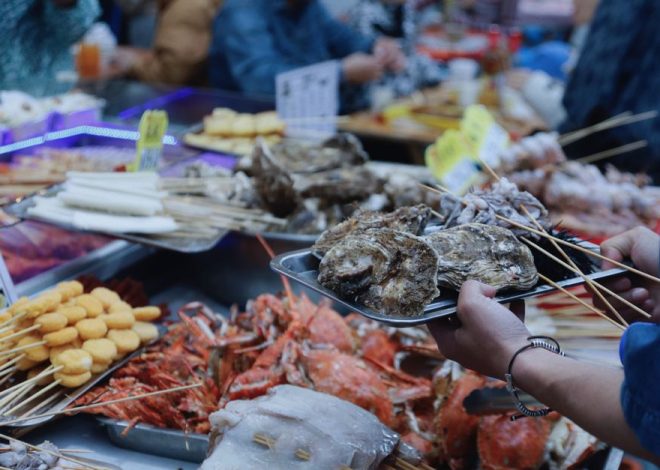
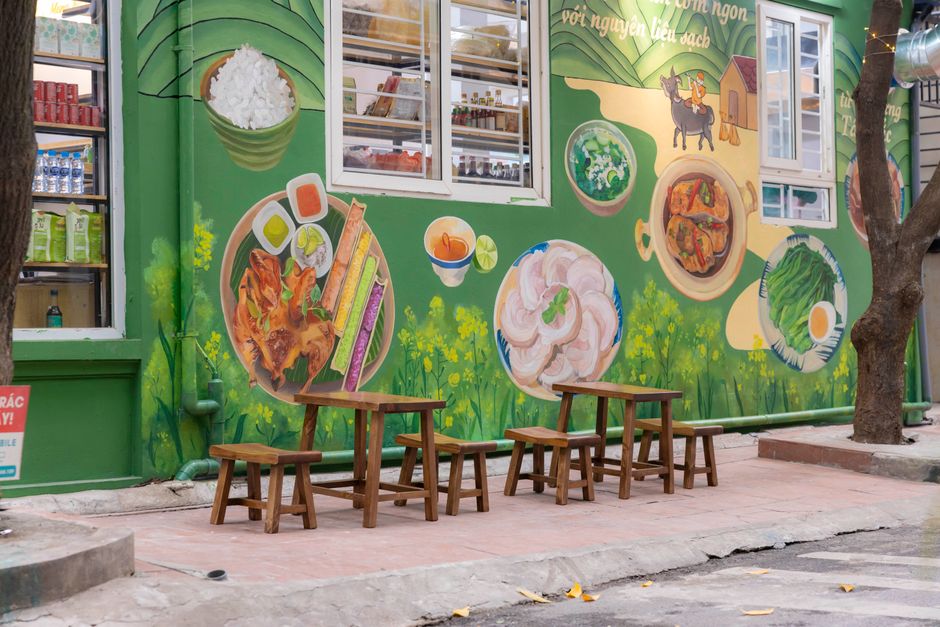
The menu at restaurants near Hoan Kiem Lake in Hanoi is not the real menu. It’s a curated list of dishes that photograph well and don’t scare Western palates. The real menu is on a plastic stool, in an alley, with no English and a price that makes you think you misheard.
| Dish | Region | Typical Local Price | Tourist District Price | What You’re Missing |
|---|---|---|---|---|
| Bun Cha (grilled pork + vermicelli) | Hanoi | 35,000-45,000 VND | 80,000-120,000 VND | The broth is served warm, not cold. Tourist spots serve it lukewarm. |
| Cao Lau (thick noodles + pork + herbs) | Hoi An | 30,000-40,000 VND | 70,000-90,000 VND | Real cao lau uses water from a specific well. Imitations use tap water. You can taste the difference. |
| Mi Quang (turmeric noodles + shrimp + quail egg) | Da Nang/Quang Nam | 35,000-50,000 VND | 60,000-85,000 VND | The broth should barely cover the noodles. Tourist versions drown them. |
| Bun Bo Hue (spicy beef noodle soup) | Hue | 40,000-55,000 VND | 75,000-100,000 VND | Real version has blood cubes and pork knuckle. Tourist version removes both. |
| Banh Xeo (crispy turmeric pancake) | Central/South | 25,000-40,000 VND | 60,000-90,000 VND | Street versions are crispy and eaten with your hands. Restaurant versions are limp and fork-fed. |
| Com Tam (broken rice + grilled pork chop) | Saigon | 35,000-50,000 VND | 65,000-95,000 VND | Street carts add a fried egg and shredded pork skin. Tourist spots skip both. |
| Banh Khot (mini crispy shrimp pancakes) | Vung Tau/South | 30,000-45,000 VND | 70,000-100,000 VND | Served with lettuce wraps and herbs. Tourist spots serve them naked on a plate. |
The pattern: tourist district prices are 2-3x local prices, and the food is objectively worse. Not because the cooks are bad. Because they’re cooking for an audience that doesn’t know what the dish should taste like. Once you know the real price, you can’t unsee the markup.
Hanoi: The City Where You Eat Like a Local for Under $10 a Day
My cheapest full day of eating in Hanoi cost 87,000 VND (about $3.50). Breakfast was xoi xeo (sticky rice with mung bean and fried shallots) for 15,000 VND from a woman with a basket on Hang Bac Street. Lunch was bun cha at a place called Bun Cha Dac Kim on Hang Manh — 45,000 VND for a massive plate of grilled pork, noodles, and herbs. Dinner was pho ga at a cart on Ly Quoc Su — 30,000 VND. Total: 90,000 VND. I rounded up.
But here’s the thing nobody tells you: eating cheap in Hanoi requires you to eat on Hanoi’s schedule. Breakfast is 6-9am. Lunch is 11am-1pm. Dinner is 5-8pm. Show up at 2pm and the good carts are closed. Show up at 9pm and you’re eating instant noodles at a convenience store. The food window is part of the food.
Hoi An: The Tourist Trap That’s Worth It (For One Dish)
Hoi An is the most tourist-heavy food city in Vietnam. The central market is packed with cooking class tourists and Instagrammers. Most of the food is overpriced and mediocre. But cao lau is worth it. Specifically, at a place called Cao Lau Ba Be on Tran Phu Street. 35,000 VND. The noodles are thick, chewy, and slightly smoky from the wood-fired oven. The pork is sliced thin and charred. The herbs are fresh. It’s the only dish in Hoi An I’d cross the old town for.
Everything else in Hoi An’s old town? Skip it. Walk 10 minutes outside the old town and prices drop by 40%. The banh mi at Banh Mi Phuong is famous because Anthony Bourdain ate there. It’s good. It’s also 35,000 VND now, which is 3x what you’d pay at a random cart in Da Nang for the same quality. Fame inflates prices faster than quality improves.
The $18 Cooking Class Trap (And When It’s Actually Worth It)
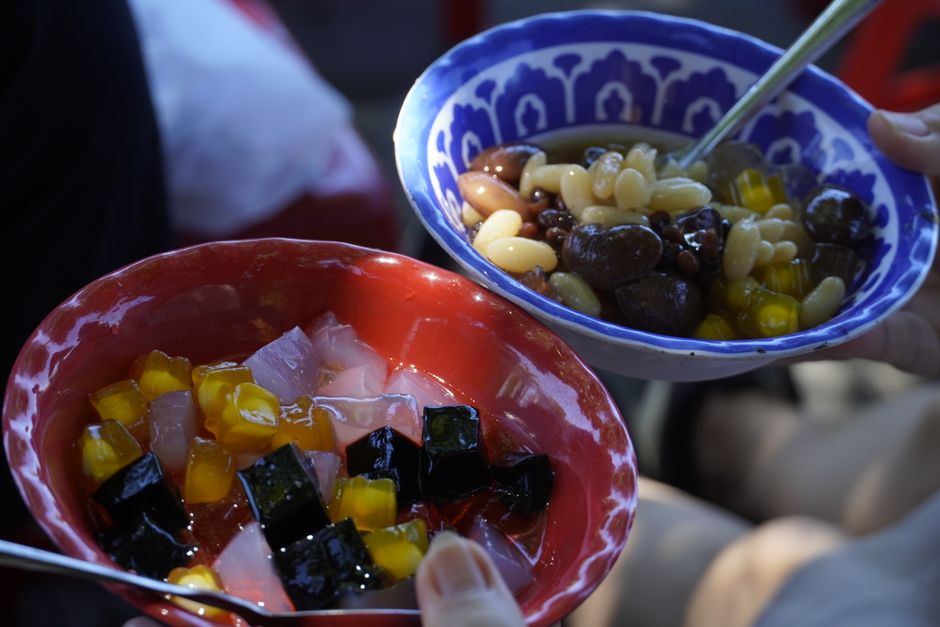
Cooking classes in Hoi An cost between $18 and $45 per person. Most of them follow the same script: market tour, herb garden visit, make spring rolls, make pho, get a recipe book, leave. You’re paying for the experience, not the cooking knowledge. If you want to learn to make Vietnamese food, YouTube is free and the recipes are better.
But there’s one exception. Thuan Tinh Island Cooking Class in Hoi An charges $28 and actually teaches you five dishes, not two. You make banh xeo from scratch, including the batter. You learn to balance fish sauce the way a Vietnamese home cook does — by taste, not measurements. You leave with techniques, not just a recipe card. For $28, that’s worth it. For $45 at a hotel cooking class? Skip it. You’re paying for air conditioning.
The real cooking class is free. It’s called standing at a market stall and asking questions. Most vendors will tell you exactly what’s in the pot if you ask. Some will even let you taste before you buy. That’s where you learn what fish sauce should taste like, how much sugar goes into a marinade, and why the herbs matter more than the protein.
5 Dishes That Are Better Than Pho (And Cheaper)
Pho is great. It’s also the most overrated dish in Vietnamese cuisine. It’s the safe choice. The dish you order when you don’t know what else to order. Here are five dishes that beat pho on flavor, cost, and sense of discovery:
- Bun Cha — Hanoi. Grilled pork belly and patties in a warm, sweet-savory broth with vermicelli noodles and herbs. 35,000-45,000 VND. Better than pho because the pork has char and the broth has depth pho can’t match.
- Mi Quang — Da Nang. Turmeric-tinted rice noodles with shrimp, pork, quail egg, peanuts, and crispy rice crackers. The broth is minimal, almost a sauce. 35,000-50,000 VND. Better than pho because every bite is different.
- Bun Bo Hue — Hue. Spicy beef noodle soup with lemongrass, shrimp paste, blood cubes, and pork knuckle. 40,000-55,000 VND. Better than pho because it actually has heat and funk. Pho is polite. Bun bo hue is not.
- Com Tam — Saigon. Broken rice with grilled pork chop, shredded pork skin, fried egg, and sweet fish sauce. 35,000-50,000 VND. Better than pho because it’s a full meal that fills you for hours.
- Banh Khot — Vung Tau. Mini crispy turmeric pancakes topped with shrimp, served with lettuce, herbs, and fish sauce. 30,000-45,000 VND. Better than pho because it’s interactive. You wrap, you dip, you eat. Pho is passive.
Try all five. Then go back to pho. You’ll appreciate it more when you know what else exists.
Where the Food Budget Actually Blows Up (It’s Not the Food)
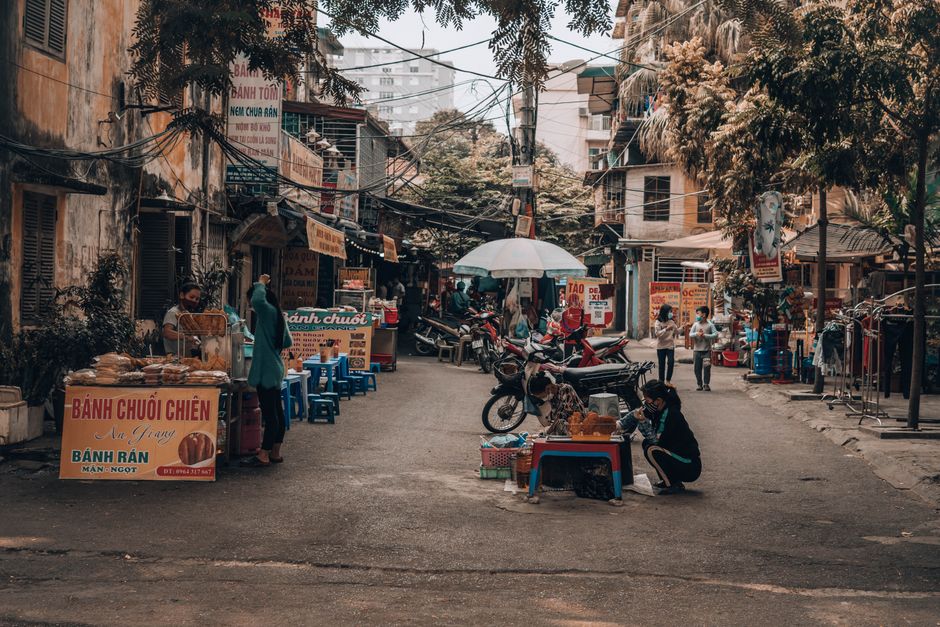
Food in Vietnam is cheap. Drinks are not. A bottle of water at a tourist restaurant costs 20,000-30,000 VND. At a local market stall, 10,000 VND. A beer at a tourist bar costs 50,000-80,000 VND. At a bia hoi corner, 15,000-20,000 VND. A smoothie at a tourist cafe costs 70,000-100,000 VND. At a street cart, 30,000-40,000 VND.
The math is brutal. If you eat three meals a day at local prices, you spend 100,000-150,000 VND ($4-6). If you add three drinks at tourist prices, you add another 150,000-250,000 VND ($6-10). Your drink budget can double your food budget without you noticing.
My rule: eat local, drink local. Bia hoi (fresh draft beer) in Hanoi costs 15,000 VND a glass. Sugarcane juice costs 10,000-15,000 VND. Vietnamese coffee with condensed milk costs 20,000-30,000 VND at a local cafe. Skip the craft beer bars and rooftop bars. You’re in Vietnam. Drink like a Vietnamese person.
The other budget killer: restaurant menus with pictures. If a menu has photos of every dish, you’re paying for the photos. Walk past. Find the place with a handwritten menu in Vietnamese and a crowd of locals. That’s where the real food is. And it’s half the price.
Final Numbers: What a Realistic Food Budget Looks Like
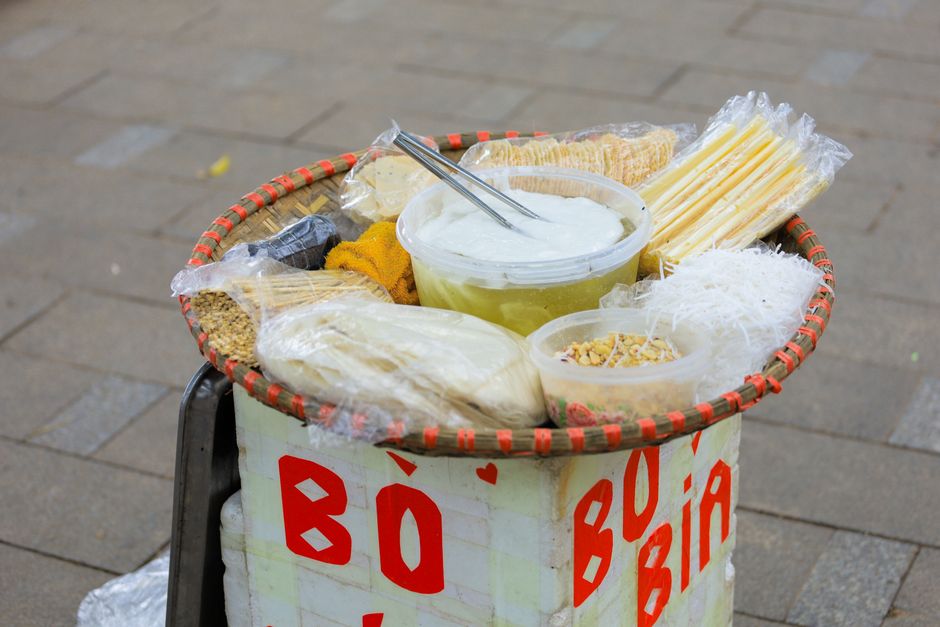
For six weeks of eating across Vietnam, my average daily food spend was 180,000 VND (about $7.50). That includes three meals, two coffees, a smoothie, and the occasional beer. My cheapest day was 90,000 VND. My most expensive day was 450,000 VND, which included a seafood dinner in Nha Trang and a cooking class.
If you’re budgeting for Vietnam, plan on 200,000-250,000 VND ($8-10) per day for food if you want to eat well without thinking about it. That’s generous. You can do it for half that if you’re disciplined. You can also spend $50 a day eating at tourist restaurants and wonder why the food is disappointing.
The best meal I had in Vietnam cost 35,000 VND. It was a bowl of bun cha in Hanoi, eaten on a plastic stool, next to a man who’d been eating there for 30 years. He didn’t speak English. I didn’t speak Vietnamese. We both knew the food was good. That’s the thing about Vietnamese food — it doesn’t need translation. It just needs you to sit down and eat.

Related Posts

Hostelworld Vs Booking.Com Backpackers: Hostelworld vs Booking.com: The Real Cost Difference for Backpackers

Airbnb Vs Boutique Hotels Italy Family 2026: Airbnb vs. Boutique Hotels in Italy: The Family Stay Math for 2026