Road Trip National Parks Young Kids: The Family Road Trip National Parks Problem: It Only Works If You Plan Backwards
Most parents think a national parks road trip with young kids means suffering through long drives and hoping the scenery somehow hypnotizes a toddler into silence. That’s backwards. The parents who actually enjoy these trips plan the kid’s day first, then squeeze the park around it. Not the other way around.
You don’t need to wait until the kids are older. You need to stop planning like you’re solo backpackers with a car. Here’s the system that works in 2026, including which parks to skip, which ones to hit, and the timing that keeps everyone sane.
Why Most Family National Park Trips Fail Before You Leave the Driveway
The biggest mistake is treating a national park trip like a checklist of scenic overlooks. Parents build an itinerary that looks great on paper: drive 4 hours, see Old Faithful, drive 2 more hours, see Grand Prismatic Spring, check into lodging. That’s a disaster with a 3-year-old.
Young kids don’t care about scenic overlooks. They care about when they eat, when they sleep, and whether they can run around. A 45-minute scenic drive means nothing to a 4-year-old who’s been strapped in a car seat for 3 hours. The meltdown isn’t the kid’s fault. It’s the itinerary’s fault.
The fix: plan from the kid’s schedule outward, not from the park map inward. Identify the non-negotiable daily anchors first — nap time, meal times, bedtime. Then see what park experiences fit inside those blocks. If a hike doesn’t fit between breakfast and nap, it doesn’t happen. Cut it.
This sounds obvious. Almost no one does it. They look at a map, see that Yellowstone’s Lamar Valley is only a 90-minute drive from their lodging, and think “easy.” But that’s 90 minutes each way, plus wildlife spotting time, plus the inevitable “I have to pee” stop. Suddenly the 90-minute drive is a 4-hour block that blows through nap time and turns into screaming at a bison.
The 2-Hour Rule That Saves Trips
Here’s a concrete rule: with kids under 8, never plan more than 2 hours of total drive time per day inside a park. That includes the drive from lodging to the trailhead and back. If the trailhead is 45 minutes from your cabin, you have 30 minutes of actual hiking time before you need to turn around. That’s not a hike. That’s a walk. Plan accordingly.
Use the National Park Service app to check real-time road closures and parking availability before you leave each morning. In 2026, several parks including Yosemite and Rocky Mountain National Park still run timed entry reservation systems during peak season. Book those reservations the day they open, not the week before your trip.
What Actually Goes Wrong: A Failure Mode Breakdown
- Over-scheduling scenic drives. Kids don’t do “scenic.” They do “boring.” One scenic drive per day is the max.
- Ignoring altitude. Rocky Mountain National Park’s Trail Ridge Road tops 12,000 feet. Little kids get altitude sickness faster than adults. Acclimate for 24-48 hours before doing anything above 8,000 feet.
- Booking lodging too far from park entrances. A “charming cabin” 90 minutes from the West Yellowstone entrance adds 3 hours of driving to every single day. Stay inside the park or within 30 minutes of an entrance.
- Forgetting that park food is expensive and limited. The cafeteria at Old Faithful has chicken tenders for $14. Pack a cooler. Every day.
Which National Parks Are Actually Worth It With Young Kids in 2026
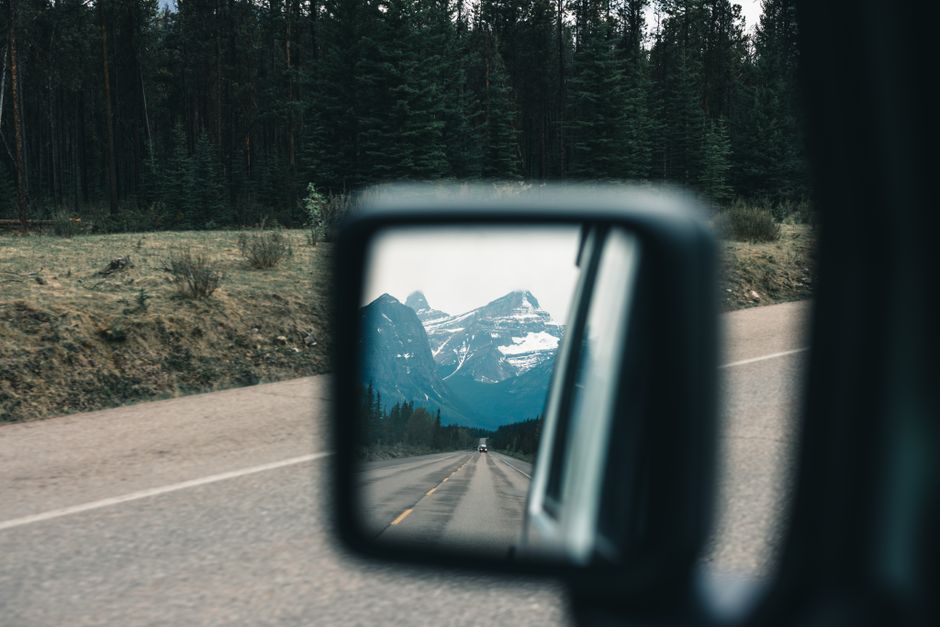
Not all parks are equal for young families. Some are genuinely miserable with small children. Others are perfect. Here’s the honest breakdown.
| Park | Good for Young Kids? | Why | Skip If… |
|---|---|---|---|
| Yellowstone | Yes, with caveats | Geothermal features are walkable and stroller-friendly around Old Faithful. Wildlife visible from the car. | You can’t handle crowds or your kids hate being in the car for more than 30 minutes. |
| Yosemite | Yes, in Yosemite Valley only | Valley floor is flat, shuttle system works, waterfalls visible from parking lots. | You want to do Glacier Point or Tuolumne Meadows. Those are long drives with little payoff for young kids. |
| Grand Canyon | Yes, South Rim only | Rim Trail is paved and mostly flat. Junior Ranger program is excellent. | You’re tempted to hike into the canyon. Don’t. Not with young kids. |
| Rocky Mountain | Borderline | Bear Lake area is accessible. But altitude is a real problem for kids under 5. | Your kids are prone to ear infections or altitude sickness. Choose a lower-elevation park instead. |
| Zion | No, not with kids under 8 | The shuttle system is a pain with strollers. The iconic hikes are too long and exposed. | You’re expecting the Narrows or Angels Landing to work. They won’t. |
| Great Smoky Mountains | Yes, the best kept secret | Low elevation, abundant wildlife, Cades Cove loop is drivable, and it’s free. | You need dramatic alpine scenery. This is rolling green mountains, not granite peaks. |
My pick for a first national park trip with young kids: Great Smoky Mountains National Park. No entrance fee, no timed entry reservations, low elevation, and the Cades Cove loop road lets you see bears and deer from the car. The Gatlinburg side has plenty of kid-friendly food options within 15 minutes of the park boundary. It’s the lowest-stress entry point into national park travel.
The Backwards Planning Method: Start With Sleep, Then Work Out
Here’s the actual planning sequence that works. Do it in this order. Don’t skip ahead.
- Lock in lodging first. Inside the park if you can afford it and can book 12 months ahead. Otherwise, within 30 minutes of the entrance you’ll use most. In Yellowstone, that means West Yellowstone, Gardiner, or Canyon Village. In Yosemite, that means Yosemite Valley Lodge or Curry Village, not a hotel in Oakhurst.
- Identify the sleep schedule you will not compromise on. If your kid naps at 1pm, that’s a hard stop. No exceptions. Plan the day around it.
- Pick one “anchor activity” per day. That’s it. One thing. Maybe it’s the Old Faithful geyser basin. Maybe it’s the Junior Ranger program at the visitor center. One thing. Everything else is bonus.
- Map drive times from your lodging to the anchor activity. Double them. Add 30 minutes for bathroom stops and snack breaks.
- Cut anything that doesn’t fit. If the anchor activity plus drive time exceeds the window between breakfast and nap, it doesn’t happen. Swap it for something closer.
This method feels restrictive. It is. But it’s the difference between a trip you remember fondly and a trip you survive. The families who “just wing it” come home and say “we’ll wait until the kids are older.” The families who plan backwards come home and book the next trip.
Gear That Actually Matters (And What’s a Waste of Money)
You don’t need a $400 hiking backpack for a 3-year-old. You need a stroller that can handle gravel paths and a cooler that keeps food cold for 8 hours. Here’s the short list.
The Thule Urban Glide 2 ($549) is the best stroller for national park travel if you have a kid under 4. Large rear wheels handle packed gravel and dirt trails. It folds flat enough to fit in a trunk. The sun canopy actually covers the kid. You can find them used on Facebook Marketplace for $200-250. Buy used. You’ll use it for 2 years at most.
The REI Co-op Cool Haul 24 Soft Cooler ($99) holds enough food for a full day for a family of four. It’s soft-sided so it packs into the car easily. Pair it with a couple of YETI Ice 2 lb packs ($25 each) and you’ve got cold food until dinner.
Skip the hiking carrier backpack unless your kid is under 18 months. Once they can walk, they want to walk. A carrier just becomes a $300 place for them to scream “put me down.” The Deuter Kid Comfort Active ($320) is great if you do need one, but most families don’t.
Download the AllTrails Pro subscription ($35/year) before you go. You can filter trails by “stroller friendly” and “kid friendly” and download offline maps. Cell service in most national parks is garbage. Offline maps are not optional.
The Junior Ranger Program Is the Single Best Free Activity in Every Park
Every national park has a Junior Ranger program. It’s free. Kids pick up a booklet at the visitor center, complete a few age-appropriate activities, and turn it in for a plastic badge. That’s it. And kids absolutely love it.
The booklet gives them something to do while you’re driving or waiting for a geyser to erupt. It turns “boring walk” into “I need to find 3 different types of trees for my Junior Ranger book.” The badge becomes a collection item that motivates them to visit more parks.
Do this on day one. Not day three. On day one, before you do anything else. It reframes the entire trip as a mission rather than a sightseeing tour. A 6-year-old with a Junior Ranger booklet is a different traveler than a 6-year-old being dragged to overlooks.
Pro tip: some parks sell Junior Ranger vests for $20-25. Buy one. The kid wears it every day. It has pockets for the booklet, the badge, and whatever rock they inevitably pick up. It’s the best $25 you’ll spend on the trip.
When You Should NOT Do a National Parks Road Trip With Young Kids
If your kid is under 18 months old, skip it. They won’t remember it, they can’t do the Junior Ranger program, and the car seat time is genuinely miserable for everyone. Go to a beach house instead. Same family time, zero park logistics.
If you have more than 2 kids under 6, seriously reconsider. The logistics don’t scale linearly. They scale exponentially. Three kids under 6 means three different sleep schedules, three different food preferences, and three different opinions about whether the waterfall is “boring.” Wait until the youngest is at least 3.
If you’re trying to do 4+ parks in a week, stop. You’re not doing a national parks trip. You’re doing a driving trip that happens to pass through some parks. Pick 2 parks maximum for a week. Spend 3 days at each. Actually be there instead of just driving through.
The Verdict: Yes, But Only If You Do It Wrong on Purpose
Here’s the thing most travel writers won’t tell you: the families who hate national parks trips with young kids are the ones who tried to do too much. They treated it like a solo adventure trip with kids in tow. That fails every time.
The families who love it do less. They see one geyser basin instead of five. They hike one mile instead of eight. They spend an hour at the visitor center doing the Junior Ranger booklet instead of rushing to the next overlook. And they come home with kids who ask when they can go back.
Plan backwards. Start with sleep. Pick one anchor activity per day. Do the Junior Ranger program on day one. Stay within 30 minutes of the park entrance. If that sounds too restrictive, you’re not ready for a national parks road trip with young kids. If it sounds doable, book Great Smoky Mountains or Yosemite Valley for 2026 and go.