Essential Travel Documents: 6 Travel Documents That Fail at Airport Check-In
Most people think they have their travel documents handled. Then they stand at the TSA podium while an agent shakes their head at a fishing license. Domestic travel has gotten stricter, not looser, and the rules changed again in 2026. Knowing which documents actually work saves you from a missed flight and a very expensive Uber back home.
This is not financial advice. It is, however, the reality of what gets accepted and rejected at U.S. checkpoints right now.
Real ID Enforcement: The Deadline Is Over, and People Still Show Up Wrong
The Department of Homeland Security started full Real ID enforcement on May 7, 2026. TSA agents no longer accept standard driver’s licenses from non-compliant states. Yet in the first month of enforcement, TSA turned away an estimated 40,000 travelers at security checkpoints. The most common reaction: “I thought I had more time.”
You didn’t. Here’s what actually happens now.
What Counts as Real ID-Compliant
A compliant card has a star in the upper right corner. Some states use a star inside a circle (California, Colorado). A few use a bear (Missouri) or a flag (Washington). If your license has none of these marks, it is not Real ID-compliant, regardless of what the DMV clerk told you in 2019.
The Most Common Failure Point
People renew their license online and receive a duplicate card without the star because their state never verified their documents. You must visit a DMV in person with a birth certificate or passport, Social Security card, and two proofs of address to get the star. No online workaround exists. The fee runs $30–$60 depending on state.
Bottom line: If your license lacks the star, you need a passport or passport card for every domestic flight. Do not test this. TSA has no discretion anymore.
Passport Card vs. Passport Book: One of These Won’t Get You on a Plane

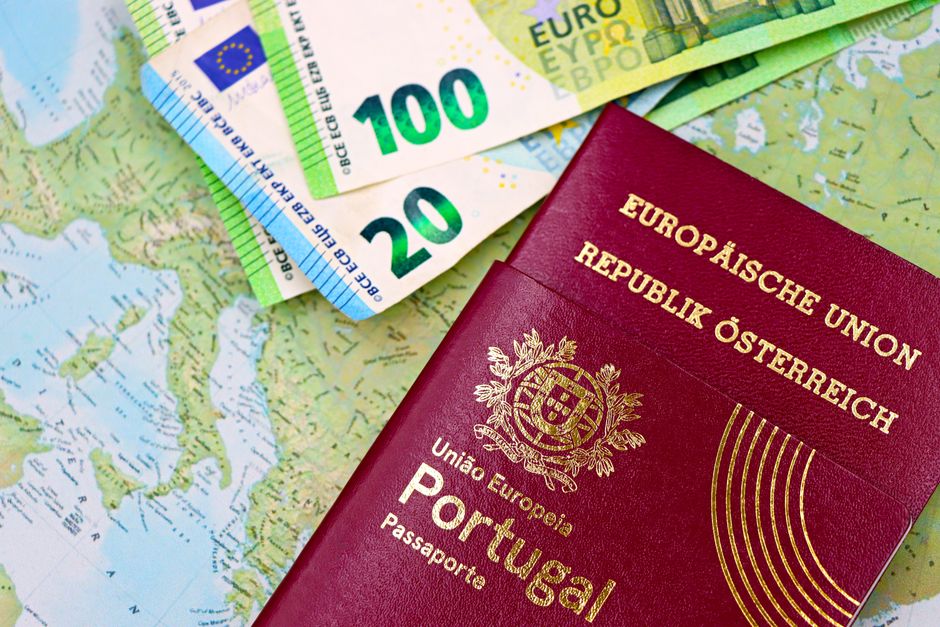
This is the most misunderstood document in American travel. A U.S. Passport Card costs $65 and fits in your wallet. A U.S. Passport Book costs $165 and looks like, well, a passport. Both are Real ID-compliant.
But the passport card only works for land and sea crossings between the U.S., Canada, Mexico, Bermuda, and the Caribbean. It is not valid for international air travel. For domestic flights, it works fine as ID. For international flights, you need the book.
I’ve watched a traveler try to board a flight to Cancún with only a passport card. The gate agent denied boarding. The traveler argued for ten minutes. It didn’t matter. The card literally says “Not valid for international air travel” on the back.
If you’re a frequent domestic flyer who hates carrying a bulky passport book, the passport card is a solid $65 investment. But do not confuse it with a full passport. The failure mode here is assuming all passports are equal. They are not.
Global Entry and TSA PreCheck: Trusted Traveler Cards Are Not IDs
Here’s a mistake I see every week at security. Someone hands over a Global Entry card or a TSA PreCheck card and expects it to serve as identification. It doesn’t. Neither card is a valid ID for TSA purposes. They only grant expedited screening privileges when paired with an accepted ID like a Real ID license or passport.
The Global Entry card costs $120 for five years and includes TSA PreCheck. The card itself has your photo and citizenship information. It feels like an ID. It says “United States of America” on it. But TSA agents will not accept it alone. You still need your driver’s license or passport.
Where people get burned: They leave their license at home because they assume the Global Entry card covers everything. It covers nothing at the ID podium. Keep your license in your wallet regardless of what trusted traveler programs you hold.
Bottom line: Trusted traveler cards are for lane access, not identity verification. Carry both.
Birth Certificates and Social Security Cards: Not Valid for Adults, Ever
Somewhere in America, an adult is still carrying a folded birth certificate in their wallet because their parent told them it works as ID. It does not. A birth certificate proves you were born. It does not prove you are the person holding it. No photo, no signature, no validity for adult air travel.
Social Security cards are worse. They prove a number exists, not that you own it. TSA will reject both immediately. The only exception: children under 18 traveling domestically with an adult do not need ID at all. The adult’s ID covers the child. But once you turn 18, you need a government-issued photo ID.
The failure mode here is generational advice. Parents who flew in the 1980s remember different rules. The rules changed. If you’re relying on a birth certificate, you’re relying on a document that hasn’t been valid for air travel since 2003.
The One Document That Solves Nearly Everything
Get a U.S. Passport Book. That’s the recommendation. It costs $165, lasts ten years, works for every domestic and international flight, serves as proof of citizenship, proof of identity, and proof of age. No other document covers that much ground for the price.
For domestic-only travelers, a Real ID-compliant driver’s license costs nothing extra beyond your normal renewal fee and works at every U.S. airport. But if you ever plan to leave the country, even once, the passport book pays for itself in avoided stress.
The tradeoff: Passport books are bulky. If you fly domestically every week and never leave the country, a passport card ($65) plus a Real ID license covers everything you need in a wallet-friendly format. But the passport book remains the single best document for anyone with international ambitions.
Document Checklist by Trip Type

Here’s the exact breakdown of what you need, based on where you’re going. Print this. Screenshot it. Stop guessing.
| Trip Type | Required Document | Backup Document | Cost |
|---|---|---|---|
| Domestic flight (age 18+) | Real ID driver’s license OR passport book OR passport card | Passport book | $0–$165 |
| Domestic flight (under 18) | No ID required with adult companion | Birth certificate for age verification | $0 |
| International flight | Passport book | Second passport (rare) | $165 |
| Canada/Mexico by land or sea | Passport book OR passport card OR Enhanced Driver’s License | Passport book | $30–$165 |
| TSA PreCheck lane | Real ID license or passport + Known Traveler Number | Global Entry card (not valid as ID) | $78–$120 |
The Enhanced Driver’s License (EDL) deserves a mention. Only five states issue them: Michigan, Minnesota, New York, Vermont, and Washington. They cost $30–$50 extra and work for land and sea travel to Canada and Mexico. They do not work for international air travel. If you live in one of those states and cross the border by car regularly, it’s a cheaper alternative to a passport card. For everyone else, skip it.
What TSA Agents Actually Check (And What They Don’t)
TSA agents verify three things on your ID: the name matches your boarding pass, the photo matches your face, and the document is on the accepted list. That’s it. They do not check your address. They do not care about your middle name unless it’s on the boarding pass. They do not verify your immigration status.
The name match is where people fail. If your boarding pass says “Mike Smith” but your license says “Michael Smith,” you may get pulled for secondary screening. The fix is simple: always book flights using the exact name on your ID. No nicknames, no shortened versions, no initials unless your ID uses initials.
The second failure point: expired documents. TSA accepts expired driver’s licenses for up to one year after expiration as of 2026, but only for domestic flights and only if the license is Real ID-compliant. An expired passport is worthless. An expired license without the star is worthless. Renew early. Most states allow renewal six months before expiration.
Bottom line: The document rules are not complicated once you know them. The problem is that most people learned the rules from a parent, a friend, or a Reddit thread from 2018. Check the TSA website. Check your wallet. Fix the gap before you’re standing at the podium with a fishing license in your hand.