Road Trip With Toddlers: The 4-Hour Rule and What to Pack
Most road trip advice for parents is garbage. It assumes toddlers are tiny adults who will happily watch scenery for six hours. They won’t. My daughter screamed for 45 minutes straight somewhere outside Bakersfield because I planned a 9-hour driving day. I’ve since done a dozen multi-day trips with kids under 4, and the single rule that changed everything: never plan more than 4 hours of actual driving per day.
That number isn’t random. Four hours of wheel time becomes 6-7 hours with stops, diaper changes, snack breaks, and the inevitable meltdown recovery session at a random gas station. Here’s the full system I use now, including what to pack, when to leave, and what to leave at home.
Why Most Road Trip Plans Fail Before You Leave the Driveway
Parents overpack the schedule and underpack the snacks. They plan a 600-mile day, assume the toddler will nap for three hours, and then act surprised when everything falls apart by 10 a.m.
The core problem: toddlers don’t experience time the way adults do. A 2-hour stretch in a car seat feels like an eternity to a 2-year-old. Their tolerance for sitting still maxes out around 60-90 minutes before they need physical movement. So the math is simple: 4 hours of driving = 3-4 stops minimum = 6-7 hours total. That’s the entire day.
What actually works is planning the route around stops, not planning stops around the route. I use Google Maps to find playgrounds, rest areas, and fast-food places with play structures along the route before I leave. Every 90 minutes, we stop. Even if nobody needs a bathroom. Even if the toddler is asleep. The stop is for the adults as much as the kids.
The 90-Minute Rule That Prevents Meltdowns
Here’s the exact cadence I follow: drive 90 minutes, stop for 20-30 minutes, repeat. Three cycles equals roughly 4 hours of driving and gets you about 250-300 miles. That’s a full day with a toddler. If your destination is 600 miles away, plan two days. If it’s 900 miles, plan three. Trying to compress it into fewer days is how you end up hating your vacation before it starts.
When NOT to Drive at Night
A lot of parents suggest driving at night so the toddler sleeps. I’ve tried it. It works maybe 50% of the time. The other 50%, the toddler is wide awake in a dark car, confused and screaming, and you’re exhausted behind the wheel. Unless your kid reliably sleeps in the car at night, don’t gamble. The risk of driving tired with a screaming child is not worth the time savings.
The Packing List That Actually Matters

You need less than you think. Here’s what I bring for a 3-day road trip with one toddler:
- Car seat: The Graco Extend2Fit ($200) or Britax One4Life ($350). Both rear-face to 50 lbs. Don’t switch to forward-facing just for a trip. Rear-facing is safer, and toddlers sleep better reclined anyway.
- Portable potty: The OXO Tot 2-in-1 Go Potty ($25) fits in a backpack and works at rest stops with no bathrooms. This has saved us more times than I can count.
- Cooler bag: A soft-sided cooler with ice packs. Not a plug-in electric cooler. Those drain car batteries and stop working when the engine is off.
- Tablet mount: A headrest mount for an iPad or Amazon Fire tablet. The Amazon Fire HD 10 Kids ($150) with pre-downloaded shows is the single best road trip purchase I’ve made. Download everything. Service drops constantly.
- White noise machine: The Yogasleep Hushh ($30) clips to the car seat and helps with naps. It’s not perfect, but it’s better than silence.
What I don’t bring: special travel toys, activity trays, or elaborate busy boards. My toddler ignores all of them after 10 minutes and throws them on the floor. Snacks and a tablet with downloaded content beat any “road trip activity kit” sold on Amazon.
Snack Strategy: The 3-Tier System
Snacks are the real currency of road trips with toddlers. But not all snacks are equal. I organize them into three tiers:
| Tier | Snack Type | Examples | When to Deploy |
|---|---|---|---|
| 1 | Everyday snacks | Goldfish, Cheerios, apple slices, string cheese | Routine hunger, first 2 hours |
| 2 | Novelty snacks | Fruit snacks, pretzel sticks, dried mango | Boredom creeping in, hours 2-4 |
| 3 | Emergency snacks | M&Ms, lollipops, chocolate milk | Full meltdown, nothing else works |
The mistake parents make is deploying Tier 3 snacks at hour 2. Then by hour 5, they have no escalation path. Keep the good stuff hidden until you genuinely need it. A lollipop at the right moment buys you 20 minutes of silence. A lollipop at the wrong moment just creates a sugar crash and a sticky toddler.
What to Avoid
Skip anything that crumbles, melts, or requires a spoon. No yogurt tubes unless you want them squeezed onto the car ceiling. No granola bars that shed crumbs into the car seat crevices. No juice boxes that get punctured and leak. Stick to dry, self-contained foods that can be handed back one piece at a time.
Timing Your Departure Without Losing Your Mind

Leave at 5 a.m. The first 90 minutes of driving should happen while the toddler is still groggy or asleep. This is the only time you’ll make progress without stops. But here’s the catch: you need to be packed the night before. Every single bag in the car by 9 p.m. the previous night. If you’re packing at 5 a.m., you won’t leave until 7, and you’ve lost the golden window.
One thing I learned the hard way: don’t wake the toddler to put them in the car. Carry them from bed to car seat in their pajamas. Change them at the first stop. Waking a toddler and then expecting them to go back to sleep in the car is a fantasy.
Hotel Stops: What to Book and What to Skip
For multi-day road trips, where you sleep matters as much as when you drive. My rule: book hotels with a separate sleeping area or at least a suite layout. A standard hotel room means the toddler goes to bed at 7:30 and you sit in the dark whispering until 9. That’s miserable.
Good options: Homewood Suites, Residence Inn, Staybridge Suites. These have separate bedrooms or at least a partition. Prices run $120-180 per night depending on location. The extra $40-60 over a standard room is worth it for your sanity.
What to skip: boutique hotels without elevators, any place with a pool you’ll have to say “no” to 50 times, and anywhere with thin walls. You’ll hear every footstep from the room above, and your toddler will wake up at 6 a.m. regardless.
Book hotels with free breakfast. Not because the breakfast is good — it’s usually mediocre — but because it eliminates one decision and one stop from your morning. You can get food into the toddler within 30 minutes of waking, which sets the whole day up better.
What I’d Tell a Parent Planning Their First Trip
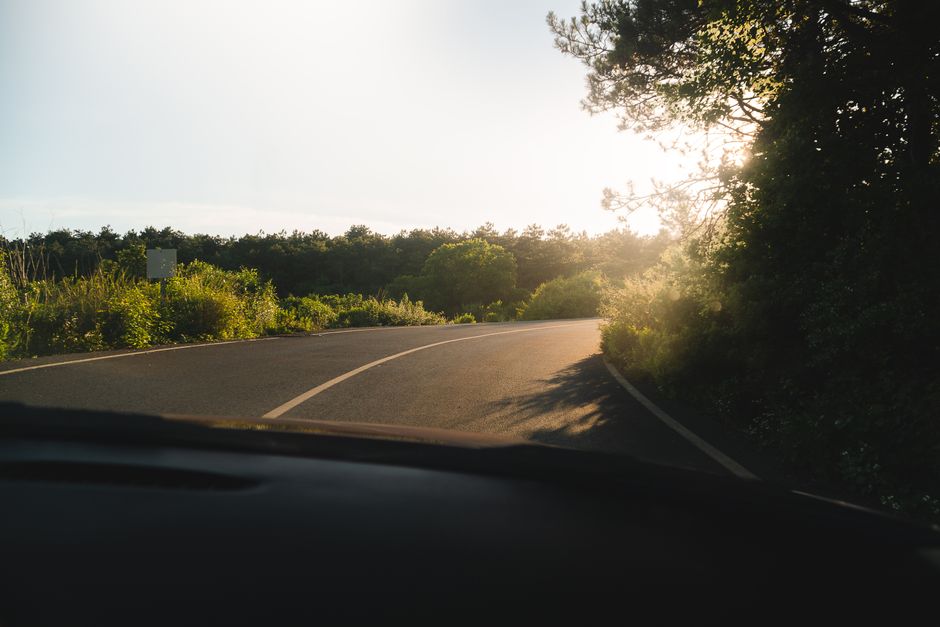
Lower your expectations. A road trip with a toddler is not a vacation. It’s a relocation with extra steps. You will not relax. You will not read a book. You will manage a small, unpredictable human in a moving vehicle for hours at a time. If you accept that upfront, you’ll actually enjoy the small wins: the nap that lasted 90 minutes, the gas station with a surprisingly clean bathroom, the moment your kid points at a cow and says “moo” with genuine wonder.
My specific recommendation: start with a 3-day trip, max 4 hours of driving per day. Book suite hotels with free breakfast. Pack the OXO Tot potty, the Fire tablet with downloaded content, and a three-tier snack system. Leave at 5 a.m. packed the night before. Do that once, and you’ll know what to adjust for the next trip. Do it wrong the first time — 9 hours of driving, no stops, Tier 3 snacks at hour 2 — and you’ll never want to road trip again.