Himalayan Multi-Day Trekking For Beginners: Himalayan Multi-Day Treks: A Beginner’s Guide to Gear, Permits & Safety
Most people think the hardest part of a Himalayan trek is the walking. It isn’t. The real failure point is the paperwork and the packing. You can train your legs for months, but if you show up at the trailhead with the wrong permit or a 25kg backpack full of cotton T-shirts, your trip ends before it starts. This guide breaks down the unglamorous reality of organizing a multi-day trek in Nepal or India. No fluff. Just the numbers, the names, and the mistakes that send people home early.
The Real Cost of Being Unprepared: A Failure Mode Analysis
Understanding why treks fail is more valuable than reading another gear list. Here is where beginners lose their money and time.
- The Cotton Mistake: Cotton kills. It holds sweat, freezes at altitude, and causes hypothermia. You need merino wool or synthetics. A cheap cotton tee from home is the most expensive mistake you can make.
- The Permit Shuffle: In Nepal, you cannot just walk into Sagarmatha National Park. You need a TIMS card (Trekkers’ Information Management System) and a local government permit. If you book a guide (mandatory for solo trekkers in most regions now), the agency usually handles this. If you go solo in the few areas where it is allowed, you waste a day in Kathmandu going to the Tourism Board office.
- The Altitude Arrogance: AMS (Acute Mountain Sickness) does not care how fit you are. The rule is simple: do not sleep more than 500m higher than you slept the night before once you pass 3,000m. Diamox is a common preventative, but it is not a pass to ignore the rules.
This is not about fearmongering. It is about respecting a logistics operation that requires specific gear and specific papers.
Gear That Justifies Its Weight
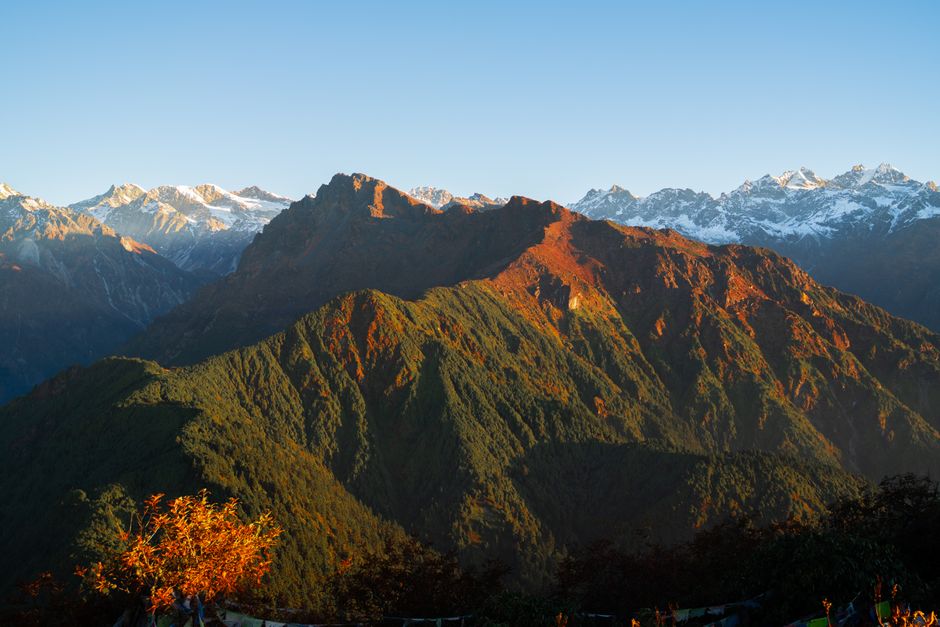
You are carrying everything on your back or paying a porter. Weight matters. But so does survival. Here is the balance.
The Big Three (Shelter, Sleep, Carry)
If you are on a teahouse trek like the Annapurna Base Camp or Everest Base Camp route, you do not need a tent or stove. You sleep in lodges. That changes your pack weight drastically. You need a sleeping bag rated to -10°C (14°F) because the blankets in the lodges are filthy and thin. A good option is the Therm-a-Rest Questar 0F/-18C or the Marmot Trestles Elite Eco 0. Your backpack should be a 40L to 50L pack. The Osprey Kyte 46 or Deuter Aircontact Lite 45+10 are solid choices.
The Footwear Non-Negotiable
Buy boots. Not trail runners. Not sneakers. You need ankle support for rocky descents. Break them in for at least a month before you fly. The Salomon Quest 4 GTX is a reliable boot for high altitude. The La Sportiva Ultra Raptor II Mid GTX is lighter but still sturdy. Expect to pay $200 to $300. Do not cheap out here.
The Rest of the Kit
Layers. A base layer (merino wool, like Smartwool Classic All-Season), a mid-layer (fleece or down), and a hard shell (like the Patagonia Torrentshell 3L). Bring a headlamp (the Black Diamond Spot 400 is bright enough), a water purification system (a Grayl Geopress or simple iodine tablets), and a first-aid kit with blister tape and Diamox.
Permits and Paperwork: The Red Tape Reality
This is where the trip gets real. The rules changed recently, and they are strict.
Nepal: The Guide Mandate
Since April 2026, solo trekking in Nepal’s national parks is largely banned for foreigners. You must hire a licensed guide. This is not a suggestion; checkpoints will turn you back. The cost is roughly $25 to $40 per day for a guide, plus their food and insurance. This is a service, not a scam. They handle the TIMS card and park permits. You pay them, they sort it.
India: The Forest Department Hurdle
In Himachal Pradesh and Uttarakhand, treks like Hampta Pass or Kedarkantha require permits from the local Forest Department. You usually need to go through a registered tour operator. They charge a fee that includes permits, guides, and camping gear. For example, a 5-day Hampta Pass trek costs around ₹8,000 to ₹12,000 ($100 to $150) per person with a group operator. If you try to do it yourself, you will spend days running between offices in Manali.
The Passport Rule
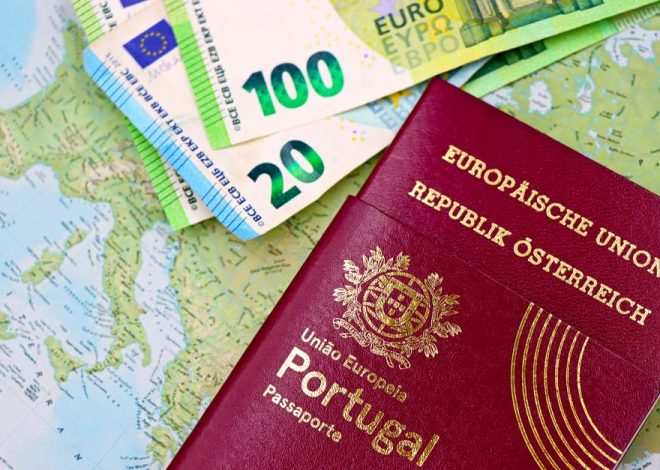
Carry your passport. Not a copy. The real thing. You will need it at checkpoints and for lodge registrations. Keep it in a ziplock bag inside your pack liner.
The Daily Grind: What a Day Actually Looks Like
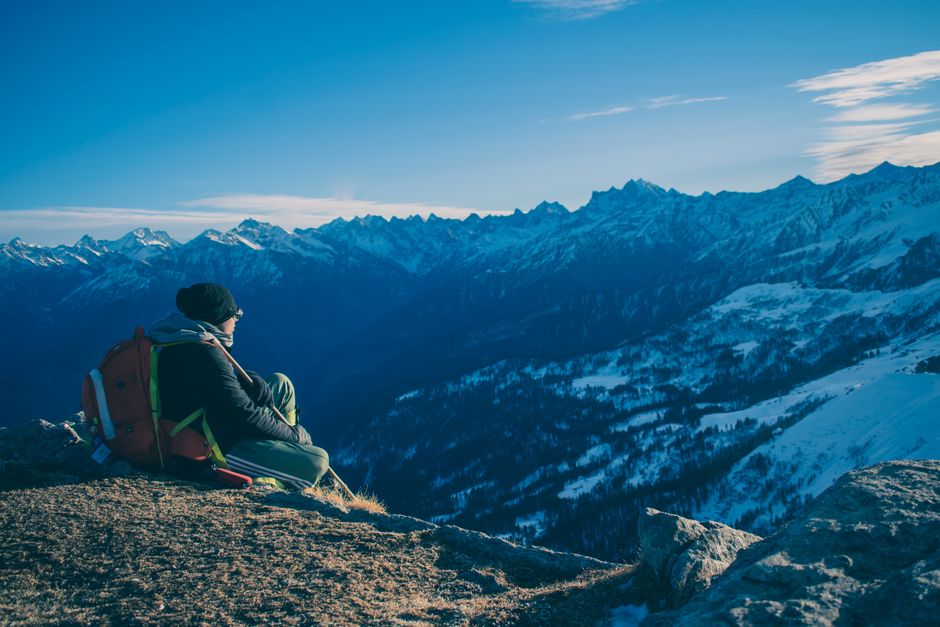
Forget the Instagram reels. Most days are a grind. You wake up at 6:00 AM. You pack your bag. You eat porridge or eggs. You start walking by 7:30 AM. You walk for 5 to 7 hours. You stop for lunch (dal bhat in Nepal, maggi noodles in India). You reach the next lodge by 3:00 PM. You order tea. You sleep by 8:00 PM. The schedule is rigid because the weather turns bad in the afternoon.
| Time | Activity | Details |
|---|---|---|
| 6:00 AM | Wake Up | Pack sleeping bag, organize daypack |
| 7:30 AM | Start Trekking | Coolest temperatures, clearest views |
| 11:00 AM | Lunch Stop | Dal bhat or noodles, fill water bottles |
| 1:00 PM | Afternoon Push | Shorter distance, watch for clouds rolling in |
| 3:00 PM | Arrive at Lodge | Order dinner early, check feet for blisters |
| 8:00 PM | Sleep | Altitude makes sleep difficult, take it slow |
The table is the reality. It is not glamorous. It is a routine that keeps you safe.
When Not to Go: The Honest Verdict
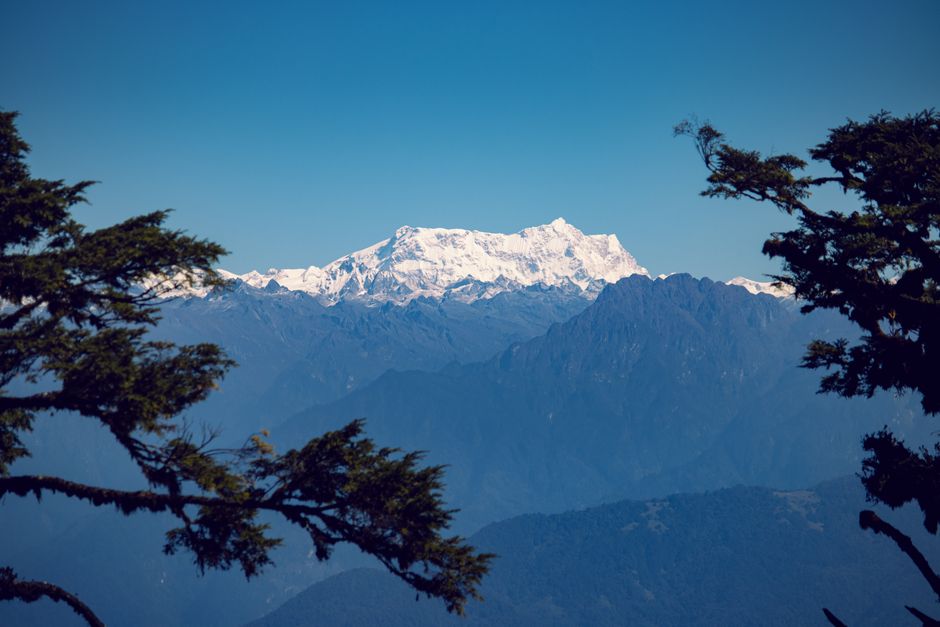
Do not book a trek if you have a knee injury. The descents are brutal. Do not book a trek if you cannot walk 10km on flat ground without stopping. Do not book a trek if you are terrified of basic toilets. Teahouses have squat toilets. Camping treks have holes in the ground.
If you want luxury, go to Switzerland. If you want to test your limits and see the highest mountains on earth, go to the Himalayas. For a first-timer, the Annapurna Base Camp trek or the Everest Panorama Trek are the best entry points. They have the infrastructure. They have the teahouses. They have the views. Start there. Do not try to summit a 6,000m peak on your first trip. That is how people get hurt.
This is not financial advice. It is travel advice. Spend your money on a good guide and good boots. Skip the fancy camera gear if it means cheaping out on safety.