Kuala Lumpur Travel Tips: What Most Visitors Get Wrong
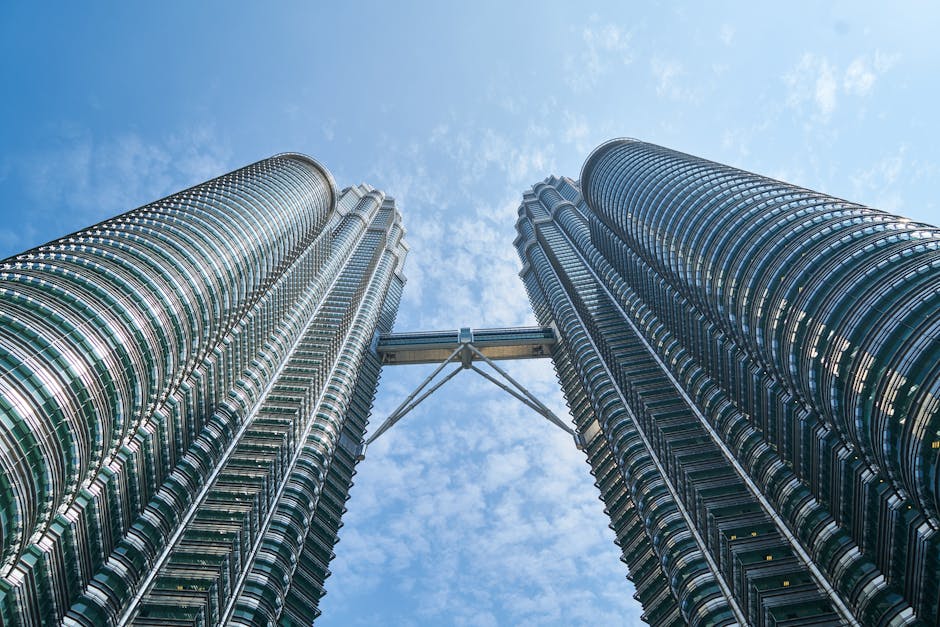
Book your Petronas Twin Towers tickets before you land. That single step separates the visitors who get in from the ones who queue until 10am and get turned away. Everything else in KL is recoverable if you misread it. The towers are not.
KL is cheap if you use the right systems and expensive if you don’t. Fast to navigate if you avoid road travel during peak hours, brutally slow if you don’t. The city has a public rail network that most tourists completely ignore, and a food scene that never appears on the map tourists are handed at the hotel. This breakdown covers what actually changes how the trip goes — not what sounds good in a brochure.
Getting Around KL Without Losing Half Your Day to Traffic
KL’s road traffic ranks among the worst in Southeast Asia. Grab (the regional ride-hailing equivalent of Uber) runs on surge pricing during rush hours. Metered taxis are an inconsistent experience at best. The city has a functional MRT, LRT, and monorail network — collectively branded Rapid KL — that most visitors underuse because they don’t bother understanding it before they arrive.
| Transport Option | Approx. Cost | Speed | Best For | Avoid When |
|---|---|---|---|---|
| Rapid KL MRT / LRT | RM 1.20–RM 5.50 | Fast — no traffic | KLCC, Bukit Bintang, Masjid Jamek, KL Sentral | Destinations far from a station |
| Grab (standard car) | RM 8–RM 25 | Varies with traffic | Off-grid destinations, late-night travel | Peak hours: 7–9am and 5–8pm |
| Metered Taxi | RM 10–RM 40+ | Slow | Nothing specific | Almost always — meter compliance is inconsistent for tourists |
| Go KL City Bus | Free | Moderate | Golden Triangle loop, Titiwangsa area | You need to be somewhere on time |
| KTM Komuter | RM 1–RM 7 | Fast | Batu Caves, KL Sentral connections | Dense cross-city urban trips — limited stops |
| KLIA Ekspres | RM 55 | 28 minutes flat | Airport to KL Sentral | If you have heavy luggage and no energy — it’s still the better option |
The Touch ‘n Go Card Is Non-Negotiable
A Touch ‘n Go card (available at any 7-Eleven, RM 10 with RM 5 usable credit) works across every rail line, the Go KL City Bus, and most paid parking. Buying one on arrival eliminates queuing for tokens at every station. Reloading is available at station kiosks or the 7-Eleven app. Non-negotiable means non-negotiable — do it on day one.
The Taxi Problem, in Numbers
A metered fare from KLCC to Batu Caves should cost RM 15–20. Most metered taxi drivers in KL will quote tourists a flat rate of RM 35–50 for the same route. A Grab for that journey off-peak runs RM 18–22. Grab wins on price certainty — not always on absolute cost, but the number you’re quoted is the number you pay. That predictability is worth the marginal difference.
The KLIA Ekspres from Kuala Lumpur International Airport to KL Sentral takes 28 minutes and costs RM 55. The airport taxi queues frequently stretch 30–45 minutes and end with a RM 75–100 fare. The math is straightforward.
KL Neighborhoods: Where to Base Yourself and What Each Area Actually Delivers
Most first-time visitors base themselves near KLCC because that’s where the landmark is. Fine for convenience. Bad for budget discipline, because prices for food and accommodation in the KLCC radius operate on a different scale from the rest of the city.
Bukit Bintang: Dense, Walkable-ish, Tourist-Default
Jalan Alor is here. So are Pavilion KL, Lot 10, and Fahrenheit 88. A decent hotel room with reliable AC runs RM 200–400 per night. It’s a legitimate base because everything is accessible by MRT, but the food within walking distance skews expensive and the street food on Jalan Alor — while genuinely good — prices at tourist-aware rates. Char kway teow costs RM 12–15 here versus RM 7–9 a few kilometers away.
Bangsar: Where KL Actually Goes for Dinner
Fifteen minutes from Bukit Bintang by Grab. Lower-rise, leafier, with a mix of independent cafes and properly local restaurants. Village Park Restaurant on Jalan Bangkung — specifically at 5 Jalan Gangsa — serves what many consider the benchmark nasi lemak in KL. The fried chicken variant costs RM 12–15. Weekend queues are long and move quickly. Opens at 7:30am and sells out by early afternoon. Going here for breakfast on one morning of the trip is worth the logistical adjustment.
Chow Kit and Masjid India: The Unfiltered Version of the City
North of the city center. The Chow Kit wet market runs from early morning and winds down by noon — honest produce, butchers, spice vendors, and hawker stalls selling curry and congee to the people who work there. Nasi Kandar Pelita operates multiple locations with a strong presence in the Masjid India area. Open 24 hours. Northern Malaysian-Indian food — roti canai at RM 1.50, nasi kandar plates from RM 8. These are not adjusted tourist prices. This is what the food costs.
Chinatown (Petaling Street): Calibrate Your Expectations
The Petaling Street market sells counterfeit goods and tourist items. That’s its primary function. The surrounding streets — particularly Madras Lane — have hawker food worth eating. Ah Weng Koh Hainan Tea, a stall that opens around 7am, has a cult following for Hainanese-style coffee. The market itself is more atmosphere than practical shopping destination.
Five Mistakes That Actually Ruin a KL Trip
- Not booking Petronas Twin Towers tickets in advance. Walk-up availability sells out by 10am on most days. The sky bridge (Level 41–42) and observation deck (Level 86) package costs RM 85 per adult. Book at petronastwintowers.com.my — the official site. Third-party ticket resellers charge RM 120–160 for the same entry. The difference is significant and entirely avoidable.
- Eating every meal near KLCC. A bowl of laksa inside Suria KLCC food court costs RM 18–22. The same dish in Bangsar or Imbi Market costs RM 8–12. Over five days, eating exclusively in the tourist radius adds RM 150–300 to a trip’s food budget for no quality gain.
- Visiting Batu Caves at midday. The 272-step staircase faces direct sun until early afternoon. Arrive before 9am or after 4pm. Entry to the main temple cave is free. The Dark Cave guided tour costs RM 35 and requires booking separately — it’s a genuinely different experience from the main cave and worth it for anyone with more than a passing interest.
- Trusting metered taxis from the airport. The KLIA Ekspres to KL Sentral is 28 minutes, costs RM 55, and runs from 5am to midnight. This is the correct answer for airport transfers. Metered taxis from KLIA to city center cost RM 75–100 and take 45–90 minutes depending on traffic.
- Underestimating rain. KL receives approximately 2,600mm of rain annually. Afternoon thunderstorms from 3–5pm are common across most of the year. A packable rain jacket or compact umbrella isn’t optional equipment in KL — it’s the same category as sunscreen. Bring both.
Where Kuala Lumpur Actually Feeds You Well
Skip the hotel breakfast unless it’s included in the room rate. KL’s morning food outside the hotel is better and costs a fraction of the buffet surcharge.
The honest assessment of KL’s food landscape: the best meals cost under RM 20, happen in places with plastic chairs and fluorescent lighting, and have no connection to any establishment that appears prominently on a tourist map. Here’s where the food is actually good:
Jalan Alor: Real, But Calibrate Expectations
Runs from around 5pm to midnight in Bukit Bintang. Famous, legitimate, and tourist-priced. The grilled chicken wings from the stall near the middle of the strip — identifiable by the coal smoke and the crowd — are consistently excellent. Satay runs RM 1–1.50 per stick from the better stalls. Avoid any vendor with a laminated photo menu; walk instead to wherever locals are already seated. That’s the correct compass.
Imbi Market (Pasar Besar Imbi)
Open 6am–1pm, short walk from Bukit Bintang. Covered hawker market with curry laksa, roast pork rice, and wonton noodles from stalls that have been operating for decades. Prices run RM 6–12. The curry laksa specifically — thick coconut-based broth, cockles, tofu puffs — is the version to benchmark all future laksa against.
Nasi Kandar Pelita for the Late Arrival
Open 24 hours, multiple KL locations. Northern Malaysian-Indian food — the dal, the chicken masala, and the roti canai are reliable. This isn’t a recommendation to eat here repeatedly. It’s the correct answer for landing at midnight when nothing else is accessible.
The Petronas Towers: The Short Version
Book online at petronastwintowers.com.my, arrive 15 minutes before your time slot, and go for a morning session in March–May when haze hasn’t built up yet. If the towers ticket feels like too much budget pressure, walk through KLCC Park at dusk — the illuminated towers from ground level are free, and frankly the better photograph. The KL Tower observation deck (RM 52 entry) also gives an external view of the Petronas skyline from a different angle, which is worth knowing as an alternative.
When to Visit KL and When to Rethink the Dates
Is March to May really the optimal window?
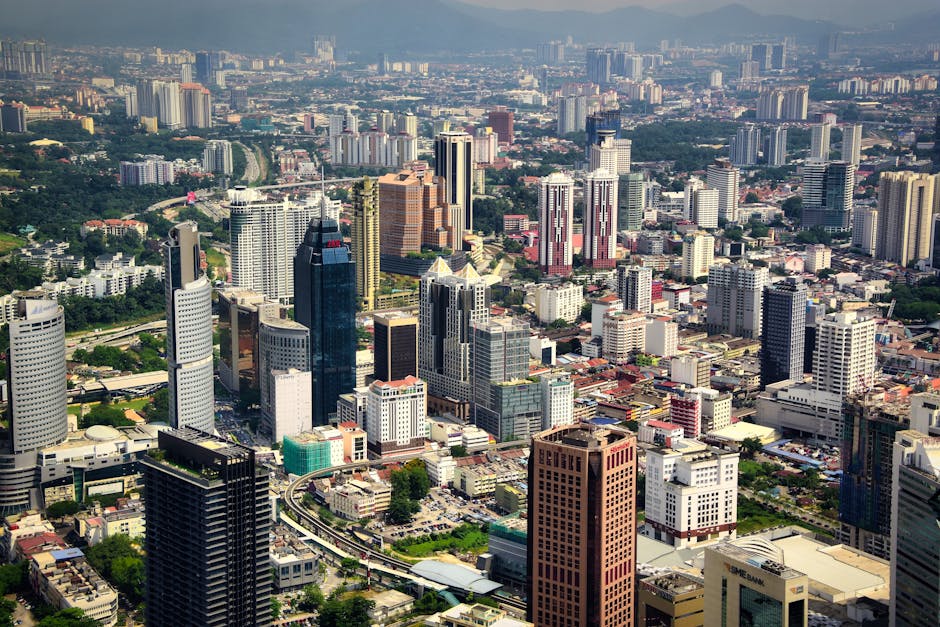
Yes, with caveats. Temperatures sit at 30–33°C year-round regardless of season — humidity doesn’t meaningfully drop at any point. March to May offers the shortest and least frequent rain events. Afternoon thunderstorms still happen but tend to be fast-moving. Visibility from elevated viewpoints like the Merdeka 118 tower (678.9 meters, currently the world’s second-tallest building, observation deck open since 2026) is clearest in this window — on a clear March morning, the view extends roughly 80 kilometers. By October, haze from regional burning often cuts that to 20 kilometers.
What do major festivals actually mean for a trip?
Chinese New Year in 2026 falls on January 29. The first two days see significant hawker stall and small restaurant closures — plan accordingly and eat at larger establishments or hotel restaurants those evenings. Accommodation prices spike 20–40% during the festival week. Hari Raya Aidilfitri in late March 2026 has similar effects in Malay-dominated areas. Neither festival ruins a trip — both add genuine atmosphere — but book accommodation earlier than you otherwise would.
Should October to December be avoided entirely?
No. KL sits on the west coast and receives a different monsoon pattern from the east coast (which gets sustained flooding from November to March). The practical reality for KL visitors in October–December: plan outdoor activities for mornings, accept that 3–5pm rain is nearly guaranteed, and build buffer time into any itinerary with multiple outdoor stops in one afternoon. The city functions normally. You just get wet if you’re outside at 4pm without a plan.
The one non-negotiable adjustment KL demands from every visitor — more than any single tip about food or transport — is accepting that this city operates on its own logic, and the visitors who stop fighting that logic and start working with it are the ones who leave having spent less and eaten better than they expected.