North Island New Zealand Road Trip Routes Worth Actually Driving
Auckland is where most visitors land, hire a car, and immediately wonder which direction to point it. The North Island rewards the indecisive — nearly every road out of the city leads somewhere worth stopping. But the distances are deceptive. What looks like a morning drive on Google Maps often includes single-lane bridges, winding coastal roads, and a detour you hadn’t planned for. Here are the routes, the realistic timings, and the honest trade-offs.
The Auckland to Bay of Islands Run: 248km That Sets the Tone
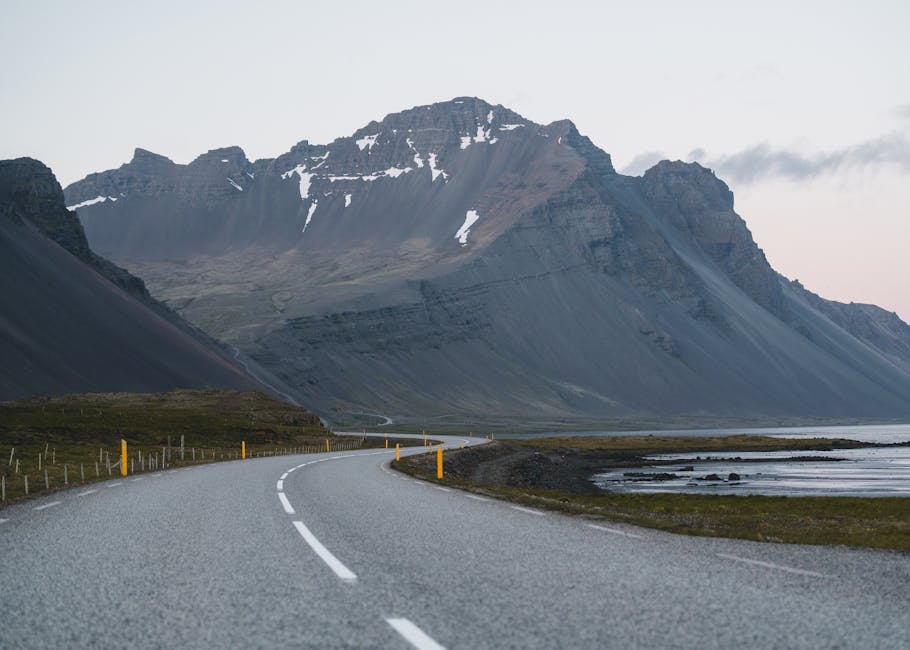
State Highway 1 north out of Auckland is unremarkable until you clear the Brynderwyn hills and the landscape opens into rolling farmland and glimpses of the Kaipara Harbour. Give it three hours to Paihia — more if you stop at Whangarei Falls (worth 20 minutes) or the Tutukaka Coast (worth half a day if you have it).
The Bay of Islands is 144 islands arranged across a sheltered harbour. Most visitors base themselves in Paihia, which has easy access to ferries, dolphin cruises, and the Waitangi Treaty Grounds — the single most historically significant site in New Zealand. Russell, a short ferry ride across the bay, is quieter and was New Zealand’s first permanent European settlement.
What to Actually Do Here
The Hole in the Rock boat tour, run by Fullers GreatSights, costs around NZD 139 per adult and takes you through the pierced rock at Cape Brett. Genuinely impressive. The Waitangi Treaty Grounds entrance is NZD 50 and includes a guided tour — skip the tour if you’re short on time, but at least walk the grounds.
If you’re hiring a campervan for a full North Island circuit, Jucy Rentals and Britz Campervans both have well-maintained Auckland depots. Jucy’s cheapest two-berth starts around NZD 85 per day in shoulder season. Britz skews slightly more premium — better kitchen kit, larger storage compartments.
The Overnight Decision
Paihia has a range of accommodation. The Copthorne Hotel Bay of Islands sits right on the waterfront with doubles from around NZD 200. Hone’s Garden Boutique Lodge in Russell is smaller, quieter, and genuinely charming — closer to NZD 280–350 per room. Neither is a budget option in peak summer. Book three months out if you’re travelling December through January.
Realistically: allocate two nights minimum. One night feels rushed and you’ll regret missing the morning light on the harbour.
Rotorua to Taupo: What 82km of Geothermal Country Actually Delivers
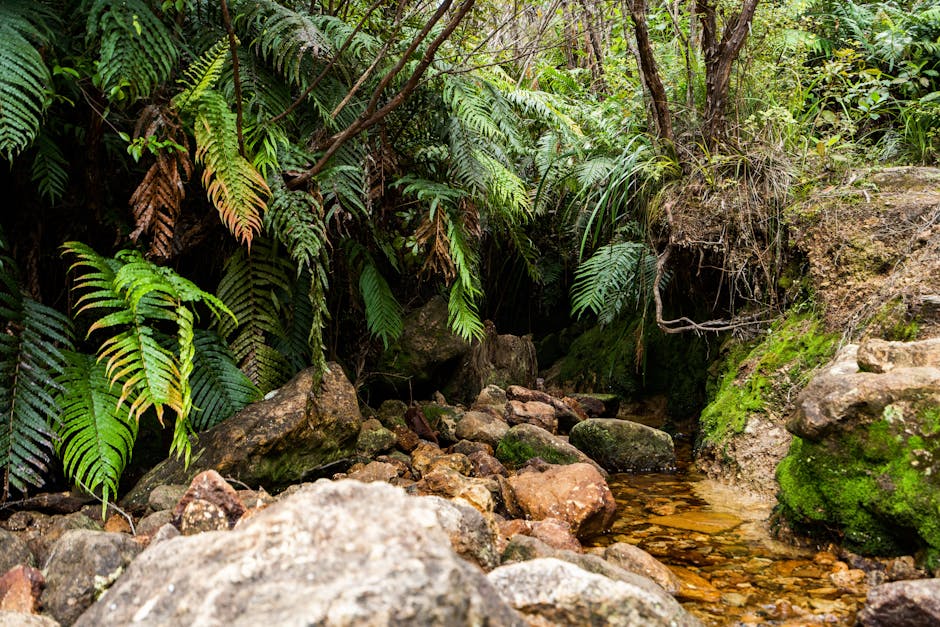
You already know Rotorua is geothermal — the sulphur smell hits before you reach the city limits. What you might not expect is how varied the 82km south to Taupo actually is.
Wai-O-Tapu Thermal Wonderland (NZD 47.50 adult) is on SH5 between the two cities and is worth the stop. The Lady Knox Geyser erupts daily at 10:15am — not a natural eruption, they trigger it with soap, which you either find charming or absurd. The Champagne Pool, a 65°C boiling crater ringed in orange and green, is genuinely extraordinary. Taupo sits on the edge of Lake Taupo, a volcanic caldera — the largest in the Southern Hemisphere — with its own weather patterns and views of three active volcanoes on a clear day.
Rotorua vs Taupo as a Base: Direct Comparison
| Factor | Rotorua | Taupo |
|---|---|---|
| Geothermal attractions | Multiple world-class sites within 20 min | Wai-O-Tapu 35 min away |
| Lake access | Lake Rotorua (good, not remarkable) | Lake Taupo (stunning, swimmable in summer) |
| Tongariro Alpine Crossing | 2.5hrs each way | 1hr each way — much better base |
| Mid-range double room | NZD 150–200 | NZD 140–180 |
| Town atmosphere | Busier, strong tourist infrastructure | Smaller, more relaxed |
| Best for | First-timers, Māori cultural experiences | Hikers, adventure sports, day-trip to Crossing |
If you only have one night between these two cities: stay in Taupo. The Tongariro Alpine Crossing is the best day hike in New Zealand and Taupo-side logistics make it far easier to manage. Huka Lodge on the Waikato River just north of town is genuinely world-class at NZD 1,500+ per night — but the Wairakei Resort next door gives similar river access at a fraction of the cost.
The Coromandel Loop: Get the Timing Right or Adjust Your Expectations
Hot Water Beach and Cathedral Cove are crowded from November through March. Full stop. Arrive at Hot Water Beach before 8am in summer to get a workable spot for digging your thermal pool. Cathedral Cove is better reached by kayak — the walking track gets genuinely unpleasant with tour groups by 10am.
The rest of the Coromandel Peninsula is underrated precisely because everyone rushes to those two spots. The drive along SH25 to the peninsula tip and back through the centre on SH25A takes about five hours without stops and passes through dense native bush, old gold-mining towns, and coastal views that don’t appear on many tourist itineraries. Coromandel Town itself is worth a slow lunch. Thames is worth skipping.
East Cape Highway: The North Island’s Most Overlooked Long Drive
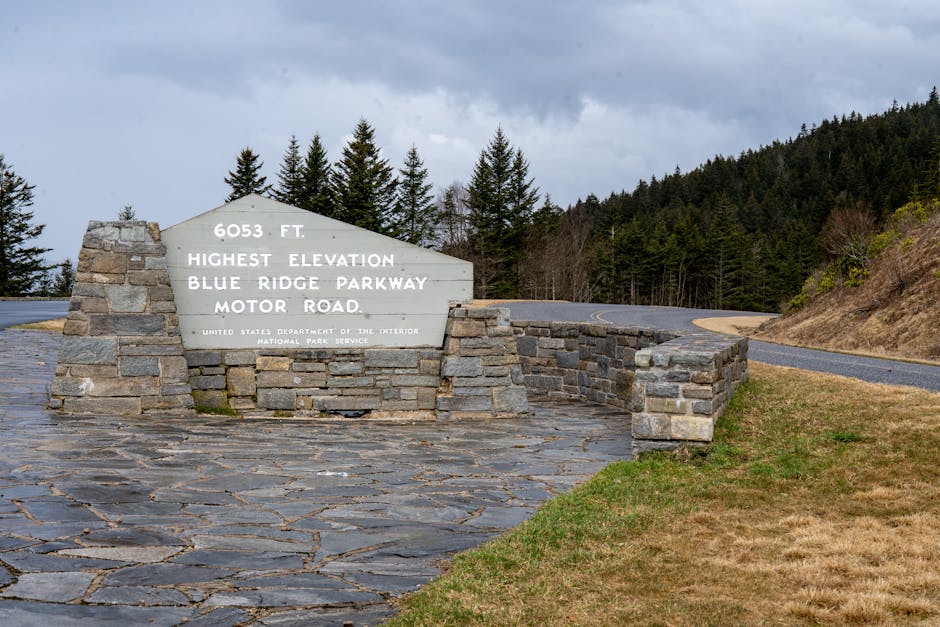
State Highway 35 wraps around the entire East Cape — roughly 550km from Opotiki to Gisborne, or the reverse. Most North Island road trippers skip it entirely. That’s a defensible choice if you’re short on time, and a genuine missed opportunity if you’re not.
This stretch of road hugs the coastline so closely in places that surf spray hits your windscreen. The East Cape Lighthouse is the easternmost point of mainland New Zealand — one of the first places on earth to see each new day. Getting there involves 750 steps from the carpark. The views justify every one of them.
Why This Route Feels Different
The East Coast is predominantly Māori. Around 50% of the population here identifies as Māori, compared to roughly 17% nationally. The towns are smaller and the pace is slower. Te Araroa, East Cape, and Tikitiki are not tourist towns in any commercial sense. There are few cafes with flat whites and avocado toast. Fill your tank whenever you see a petrol station — gaps of 80–100km between them are common.
Practicalities for This Section
Allow two full days minimum, three if you want to explore properly. Tolaga Bay has New Zealand’s longest wharf at 660 metres and a free campsite nearby that fills up in summer. Gisborne at the southern end is a genuine city with strong wine country — the Gisborne chardonnay and Gewürztraminer are underrated even by New Zealanders.
Road conditions vary. The highway is sealed throughout but includes tight bends and narrow sections. In winter (June–August), check for slips — the East Coast gets heavy rainfall and the road can close with little notice. A four-wheel drive is not required, but a vehicle with decent ground clearance makes some side tracks accessible. Wilderness Motorhomes and Maui Motorhomes both rent vehicles suited to this route; avoid the large six-berth options on SH35’s tighter corners.
Who Should Do This Route
Travellers with 10+ days on the North Island who want to see something beyond the standard circuit. Not recommended as a rushed add-on — if you’re only on the North Island for a week, the Coromandel or Bay of Islands delivers more value per hour of driving.
Napier and Hawke’s Bay: Answers to What Road Trippers Actually Ask
Is Napier Worth the Drive from Wellington?
Yes. It’s 322km via SH2 — about four hours. Napier is the world’s most intact Art Deco city outside of Miami Beach. The 1931 Hawke’s Bay earthquake destroyed the town and it was rebuilt entirely in the architectural style of the moment. Walking the CBD takes about two hours. The Napier Art Deco Trust offers free self-guided tour maps from the visitor centre on Marine Parade.
What Is the Wine Trail Actually Like to Drive?
Hawke’s Bay has over 200 vineyards. The wine trail runs loosely around Havelock North, Hastings, and the Gimblett Gravels region. Most wineries open 10am–4pm. Church Road Winery (established 1897) offers barrel hall tours with context. Mission Estate, founded in 1851 and the oldest winery in New Zealand, is worth visiting regardless of whether you drink — the grounds and the history are the reason to go.
Where to Sleep in the Region
Havelock North has the strongest accommodation options. The Farm at Cape Kidnappers — a lodge perched on dramatic cliffs above a gannet colony — charges upwards of NZD 1,800 per night and sits in the top tier of luxury accommodation in the Southern Hemisphere. At the other end of the spectrum, holiday parks in Napier start from NZD 40 for a powered site. The gap between those two options is genuinely large, and the mid-range here is thinner than in Rotorua or Taupo.
Seven Mistakes That Hurt North Island Road Trips
- Underestimating driving times. New Zealand’s speed limit is 100km/h but North Island roads rarely sustain that consistently. SH35 averages closer to 70km/h in practice. Budget 20–30% more time than Google Maps suggests.
- Booking nothing in advance during December and January. The North Island is packed with domestic tourists over summer and accommodation in Paihia, Coromandel Town, and Taupo sells out weeks ahead. Arrive without a booking and you’re paying for the last available room, not the best one.
- Skipping the Tongariro Alpine Crossing because of a bad forecast. Weather changes hourly in the Tongariro area. If you have two days in Taupo and day one looks marginal, do a shorter walk and hold day two for the Crossing. The 19km hike through active volcanic terrain — across the Red Crater and past the Emerald Lakes — does not have a substitute on the North Island.
- Cramming too many regions into too few days. Auckland, Bay of Islands, Coromandel, Rotorua, Taupo, and Wellington in seven days is a drive, not a road trip. Each region deserves two nights minimum. Either extend the trip or cut destinations — there is no middle ground that works.
- Renting a vehicle that’s too large. Six-berth campervans restrict access to some of the best spots on SH35 and the Coromandel’s narrower roads. A four-berth or smaller handles almost every sealed road on the North Island.
- Not carrying cash outside of major cities. Many roadside cafes, camping grounds, and farm stalls between Opotiki and Gisborne are cash-only. ATMs in East Cape towns are unreliable and sometimes out of service for days.
- Driving at dawn or dusk without accounting for livestock. Open-range farming means cattle and sheep on the road are genuinely common in Northland and the East Coast. Serious crashes involving livestock happen every year on these routes.
Which Circuit Matches Your Trip Length: A Direct Comparison
| Route | Distance | Minimum Days | Best Season | Difficulty | Verdict |
|---|---|---|---|---|---|
| Auckland → Bay of Islands → Auckland | ~500km return | 3 days | Year-round | Easy | Best short trip from Auckland |
| Auckland → Coromandel → Rotorua → Auckland | ~650km loop | 5 days | Nov–Mar | Easy | Best first-timer circuit |
| Auckland → Rotorua → Taupo → Wellington | ~740km one-way | 7 days | Year-round | Easy–Medium | Strongest classic route |
| East Cape full loop via SH35 | ~550km section | 3–4 days (section only) | Oct–Apr | Medium | Best for returning visitors |
| Full North Island loop | ~2,200km+ | 14–16 days | Oct–Apr | Medium | Best if you have the time |
For most travellers with 7–10 days: the Auckland to Wellington run via Rotorua and Taupo is the strongest single circuit. It hits the geothermal highlights, gives you the Tongariro Crossing if you time it right, and ends in a city with direct international flights. Add the Coromandel at the start if you arrive in summer and have two spare days.
The East Cape is for the second trip. It rewards the North Island already partly known — when you’ve done the main circuit once and want to see what most visitors miss entirely.