Eating Street Food Safely In Asia: Street Food in Asia Without Getting Sick: The 5-Rule System
Most food poisoning in Asia doesn’t come from dirty street stalls. It comes from tourists eating at empty restaurants with laminated menus and air conditioning. The street vendor who serves 300 bowls of noodle soup a day has no inventory sitting around. That’s the secret nobody tells you.
I’ve eaten at street stalls from Bangkok to Hanoi to George Town over 15 years of trips. I’ve been sick twice. Both times it was a hotel breakfast buffet, not a street cart. This guide is what I actually follow, not the generic advice you get from travel clinics.
The 5 Rules I Actually Follow at Every Stall
You don’t need to memorize food science. You need a checklist that takes 10 seconds to run. Here it is.
Rule 1: The Turnover Test
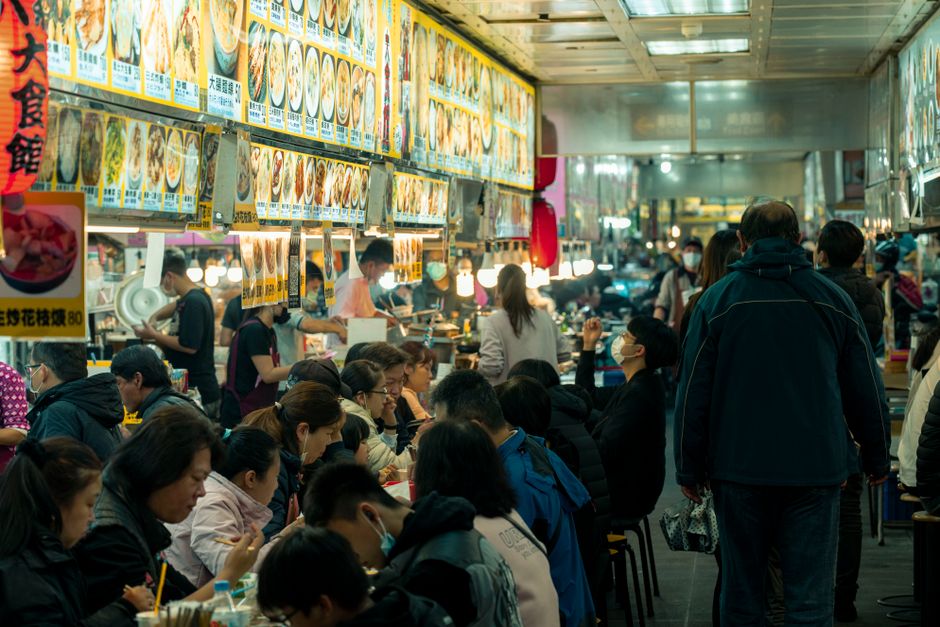
Watch the stall for 60 seconds before ordering. How many customers are walking up? A busy stall at 2pm means food has been selling all day. An empty stall at 7pm means ingredients have been sitting since lunch. This single test eliminates 80% of risk.
In Bangkok’s Yaowarat district, the Nai Ek Roll Noodle stall runs through hundreds of bowls of kuay jab (rolled rice noodles in peppery broth) before 9pm. The pot never stops. Compare that to a quiet stall two streets over selling the same dish to nobody. Same price. Completely different risk profile.
Rule 2: The Heat Check
Order food that is cooked to order or kept visibly boiling. Soup, stir-fry, grilled skewers, deep-fried anything. Avoid pre-cooked dishes sitting at room temperature. This is not negotiable.
Raw vegetables are the exception I make carefully. In Vietnam, herb plates come with everything. I eat them at stalls with high turnover because the herbs are refreshed constantly. At slow stalls, I skip the raw greens.
Rule 3: The Local Density Rule
Eat where locals eat. Not where tourists eat. If the menu has photos and English descriptions, that’s fine. But if every customer is a foreigner, the vendor’s incentive structure changes. They don’t need repeat business. They need one-time sales.
The best stalls in Hanoi’s Old Quarter have no English menu at all. You point at what the person next to you is eating. That’s how I found Bun Cha Dac Kim on Hang Manh street. It’s famous now, but it earned that fame by serving locals first.
Rule 4: The Condiment Logic
Chili sauce, fish sauce, vinegar with chilies — these are not optional. They’re functional. Acid and capsaicin inhibit bacterial growth. Street food cultures built these condiments into every dish for a reason. Use them.
This is also why lime wedges come with everything in Thailand. Squeeze them on. It’s not just flavor.
Rule 5: The Water Discipline
Bottled water only. Ice is fine if it’s manufactured ice with holes in the cubes (commercial ice) rather than chipped from a block. Most tourist areas in Thailand, Vietnam, and Malaysia use commercial ice now. In rural areas, skip ice.
And no, brushing your teeth with tap water is not safe in most of Southeast Asia. Use bottled. This is the rule people forget.
What to Eat and What to Skip: A Dish-by-Dish Breakdown
Some dishes are structurally safer than others. Here’s my honest take.
| Dish | Country | Risk Level | Why |
|---|---|---|---|
| Pad Thai (cooked to order) | Thailand | Low | High heat, fast turnover, no raw ingredients |
| Pho (boiling broth) | Vietnam | Low | Broth kept at rolling boil, herbs added fresh |
| Char kway teow | Malaysia | Low | Wok hei requires intense heat, cooked per order |
| Som tam (green papaya salad) | Thailand | Medium | Raw papaya, mortar not always cleaned well |
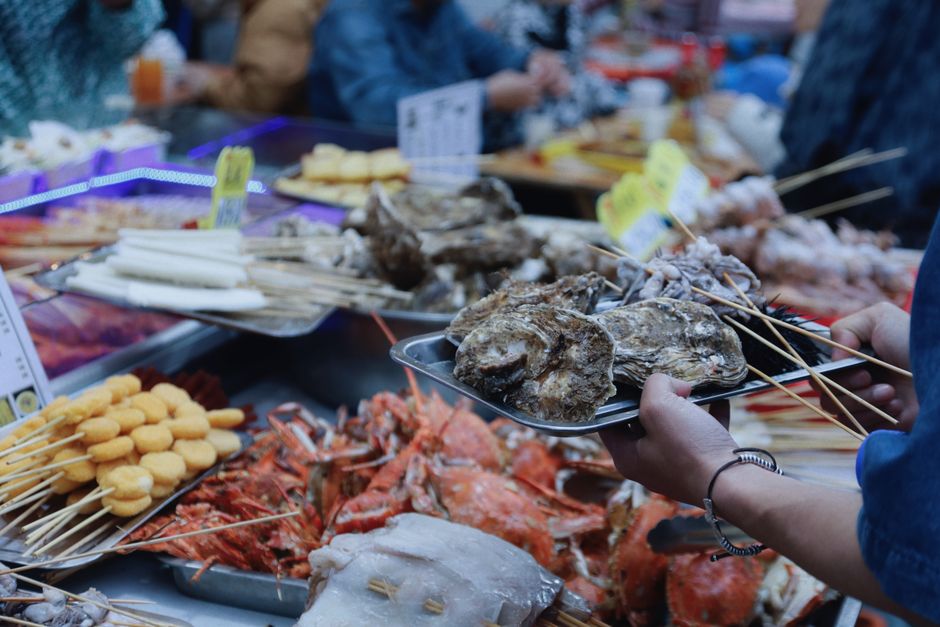
| Blood cockles | Malaysia/Thailand | High | Often served barely cooked, filter feeders |
| Pre-cut fruit with chili salt | Anywhere | Medium | Sitting out, cut surface exposed |
My rule on shellfish at street stalls: don’t. Blood cockles are delicious and I’ve eaten them without issue, but they’re the one category where the risk-reward math doesn’t work for me. Get your shellfish at a proper seafood restaurant.
Som tam is one I eat anyway, but I watch the vendor. If the mortar and pestle look like they’ve never been washed, I pass. If the stall is slammed and they’re making 20 salads an hour, the residual acid from lime juice is doing some work.
The Empty Stall Paradox
Tourists avoid empty stalls because they think emptiness means bad food. Sometimes that’s true. But sometimes the stall is empty because it’s 3:30pm and locals eat at noon and 7pm. You have to know the local meal rhythm.
In Penang, the best char kway teow stalls open at 6pm and sell out by 9pm. At 4pm, they don’t exist yet. At 10pm, they’re closed. If you’re looking for lunch at 2pm, you’re seeing the stalls that serve all day — which often means lower quality and slower turnover.
This is why I plan my eating around local meal times. Breakfast in Vietnam is 6-8am. Lunch in Thailand is 11:30am-1:30pm. Dinner in Malaysia starts at 6:30pm. Show up at the right time and the good stalls are obvious. Show up at the wrong time and you’re choosing between bad options.
One more thing: the stall with no customers but a full display of food at 8pm is not a hidden gem. It’s a warning sign. Walk away.
What Actually Causes Traveler’s Diarrhea (It’s Not What You Think)
Most people blame the last thing they ate. That’s usually wrong. Foodborne illness has an incubation period of 6 to 48 hours. The pad thai you ate at dinner didn’t make you sick at midnight. The hotel breakfast from yesterday morning did.
This matters because it changes your prevention strategy. The highest-risk meal for most travelers is not street food. It’s the hotel breakfast buffet. Eggs sitting in a warming tray for two hours. Fruit salad cut hours ago. Yogurt at the wrong temperature. I’ve been burned by this twice.
My actual hierarchy of risk:
- Highest risk: Hotel breakfast buffets, pre-made sandwiches at convenience stores, salads at mid-range restaurants
- Medium risk: Street stalls with low turnover, raw shellfish, cut fruit from markets
- Lowest risk: Busy street stalls cooking to order, boiling soups, grilled meats served immediately
This is not what travel clinics tell you. They tell you to avoid street food entirely. That advice is lazy and wrong. It’s based on assuming you can’t tell the difference between a busy stall and an empty one. You can. The rules above are learnable in one meal.
Where I Actually Eat: Specific Stalls Worth Finding
These are places I’ve eaten at multiple times over multiple trips. They’re consistent. They’re busy. And they’re worth seeking out.
Bangkok: Nai Ek Roll Noodle (Yaowarat)
Kuay jab with crispy pork belly. The broth is peppery and the pork is fried to order. Open late, always packed. A bowl costs about 60-80 baht ($2-2.50). Go after 8pm when the night market is fully running.
Hanoi: Bun Cha Dac Kim (Hang Manh)
Bun cha with grilled pork patties in fish sauce broth. The grill is out front, visible from the street. You can literally watch the pork go from raw to your bowl. About 90,000 VND ($3.50). The herbs come from a constantly refreshed pile.
George Town, Penang: Siam Road Char Kway Teow
An old man with a charcoal wok. That’s the whole operation. He’s been doing this for decades and the queue forms before he opens. Charcoal heat is important — it gets hotter than gas, which means faster cooking and better flavor. About 8-10 MYR ($2-2.50).
These three are my baseline. When I’m in these cities, I eat at these stalls first. Then I explore from there using the 5 rules. The rules work everywhere. The specific stalls are just where I know the rules are already satisfied.
When Not to Eat Street Food
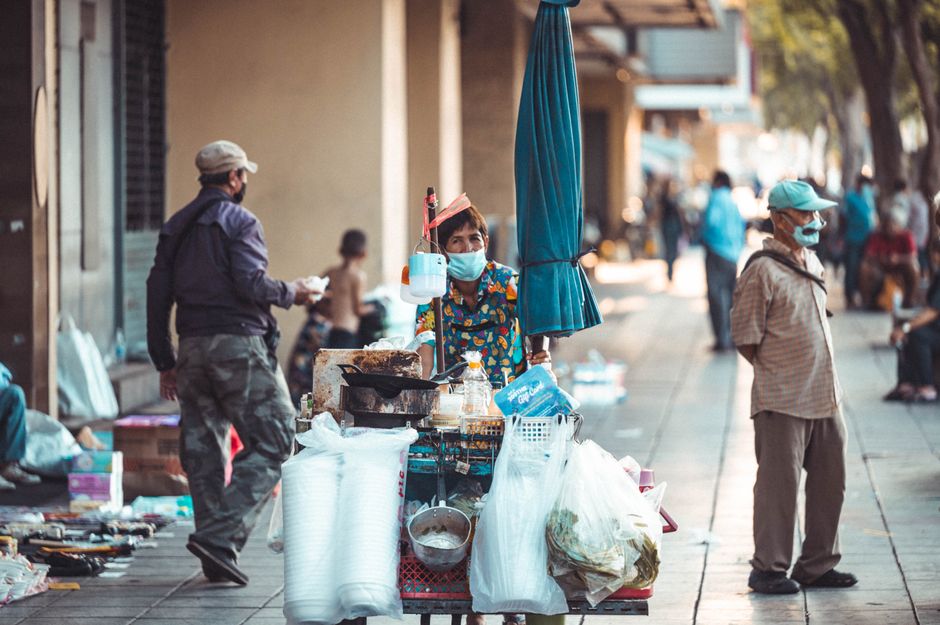
There are times when street food is the wrong choice, and you should just go to a restaurant.
If you have a compromised immune system, are pregnant, or are traveling with very young children, the risk calculus changes. The rules reduce risk but don’t eliminate it. A restaurant with a proper kitchen has more layers of protection. That’s not elitism. That’s just math.
If you’re in a city for 24 hours and have one important meeting tomorrow, maybe don’t experiment with blood cockles the night before. Eat the pad thai. Save the adventurous stuff for when you have a flexible schedule.
And if you’re in a place without reliable medical care — remote areas, small islands — be more conservative. The cost of getting sick is higher. Bangkok has world-class hospitals. A small island in the Andaman Sea does not.
My honest take: street food is one of the best parts of traveling in Asia. It’s cheap, it’s fast, and it’s where the real food culture lives. But you need a system. The 5 rules are the system. Use them, and you’ll eat better than 95% of tourists while spending less money.
Skip the hotel buffet. Find the busy stall. Order what’s cooking. Squeeze the lime. You’ll be fine.