Hidden Gems In Portugal: Forget Lisbon: 10 Underrated Portugal Towns Worth the Detour
Most people think Portugal stops at Lisbon and Porto. That’s a mistake. The country has over 800 kilometers of coastline and a rural interior that holds some of the most intact medieval villages in Europe. You just have to drive two hours further than the guidebooks tell you to.
I’ve spent the last three years mapping out routes through central and eastern Portugal. What follows are ten towns that still feel like places, not postcards. Each one includes driving time from Lisbon or Porto, why it works in 2026, and what to skip.
The Overlooked Problem With Portugal’s Famous Cities
Lisbon and Porto have become victims of their own success. In 2026, Lisbon’s Alfama district reported visitor densities that made local buses unusable for residents. Porto’s Ribeira waterfront now has waiting lines for photo spots. The experience you imagine — quiet tiled streets, old men playing cards, fresh bread at dawn — still exists. It just moved.
The interior towns of Portugal solve this problem. They have the same stone architecture, the same food tradition, and often better prices. A full lunch with wine in Marvão costs around €9. In Lisbon’s Baixa, the same meal runs €18 to €22. The tradeoff is access. You need a rental car or a willingness to use regional buses that run twice a day. For many travelers, that tradeoff is worth it.
One warning before the list: do not try to visit all ten in one week. Portugal’s interior roads are winding and slow. Average speed on N-roads is 50 to 60 km/h. Pick a cluster, not a checklist.
Five Villages That Rewrite What Portugal Looks Like
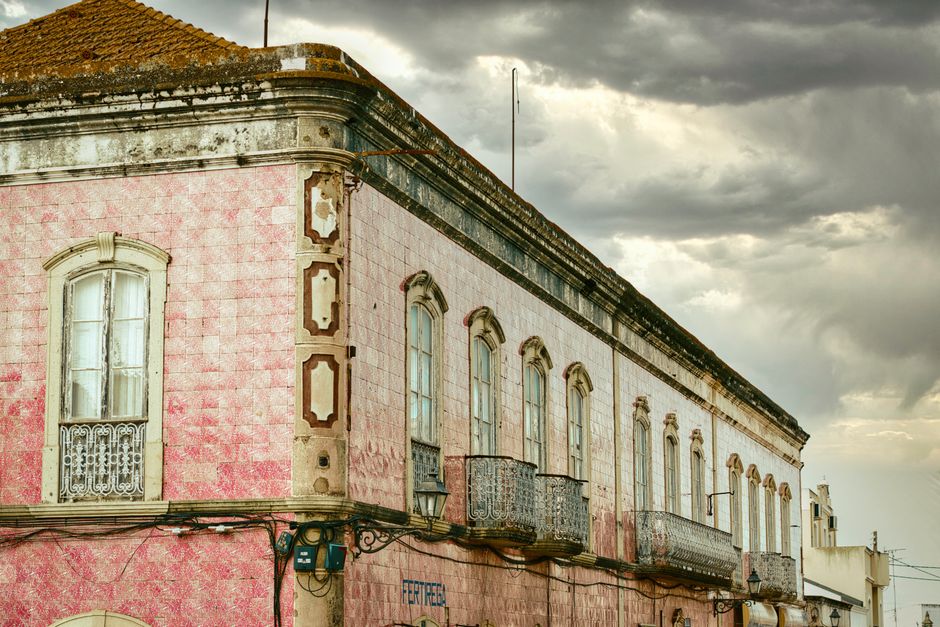
These are the places you see in drone footage and assume are staged. They are not staged. They are inhabited, sometimes by fewer than 200 people.
Monsanto: The Town Built Into Boulders
Monsanto sits in central Portugal near the Spanish border. Houses are wedged under granite boulders that weigh more than the buildings themselves. The village won a national contest as the “most Portuguese village” back in 1938, and it has not changed much since. The walk up to the castle takes about 25 minutes. Bring water. There is one café at the top of the village and nothing else. The drive from Lisbon takes about 2 hours 45 minutes.
Verdict: Go for the architecture, not the food. Stay one night maximum.
Piódão: Schist Houses in the Serra do Açor
Piódão is the opposite of the whitewashed Algarve. Every house is built from dark schist stone with blue-painted windows. The road in is a series of hairpin turns that takes 40 minutes from the nearest town, Arganil. You will think your GPS is wrong. It is not. The village has one small hotel, the Inatel Piódão, and two family-run guesthouses. Rooms run €60 to €80 per night in shoulder season.
Verdict: The best single overnight stop between Porto and the Serra da Estrela. The drive itself is part of the draw.
Sortelha: A Walled Village Without the Gift Shops
Sortelha is what Óbidos was 30 years ago. A complete medieval wall, stone houses, and no tour buses. You can walk the entire wall in under an hour. The surrounding countryside is flat and empty, which makes the granite outcrop feel taller than it is. There is one restaurant, O Castelo, that serves wild boar stew for around €11. The village is 3 hours from Lisbon and 2 hours 15 minutes from Porto.
Verdict: If you want a medieval village without the commercial layer, this is the one.
Marvão: The Best View in the Alentejo
Marvão sits on a ridge at 860 meters. On clear days you can see into Spain. The castle is the main event, but the town itself has white houses with wrought-iron balconies and a small museum that costs €2. The drive up from the valley floor takes 15 minutes of switchbacks. Park outside the walls. The streets inside are too narrow for anything wider than a Fiat 500.
Verdict: Go at sunset. Stay at the Pousada de Marvão if you want to wake up above the clouds.
Azenhas do Mar: Coastal Portugal Without the Crowds
Azenhas do Mar is 40 minutes from Lisbon, but most tourists never leave Sintra. The village is built into a cliff above a natural ocean pool. The pool is free and open year-round, though the water is cold outside of July and August. There are three restaurants. The best one, Azenhas do Mar Restaurante, charges €35 for a seafood platter that would cost €60 in Cascais.
Verdict: The easiest hidden gem on this list. You can do it as a half-day trip from Lisbon.
Coastal Alternatives to the Algarve’s Resort Strip
The Algarve’s southern coast between Lagos and Faro is saturated. But Portugal has two other coasts that most visitors ignore: the Alentejo coast and the Silver Coast. Both are cheaper and quieter.
Comporta: The Anti-Algarve
Comporta is a stretch of rice fields and pine forest that ends in a beach with no high-rises. The sand is white and the water is cold. In 2026, the area has strict building codes that cap structure height at two stories. You will not find a concrete resort here. What you will find is a beach bar called Ilha do Arroz that serves grilled fish on paper plates. Parking costs €5 in summer. The drive from Lisbon takes 1 hour 15 minutes.
Verdict: Go in June or September. August turns the single access road into a parking lot.
Costa Nova: Striped Houses and Working Fishing Boats
Costa Nova is near Aveiro, about 1 hour south of Porto. The town is known for its palheiros — striped wooden houses originally used by fishermen to store nets. Now they are vacation rentals. A two-bedroom palheiro rents for €90 to €120 per night in summer. The beach is wide and flat, good for families. The nearby fish market in Aveiro sells fresh sardines for €4 per kilo in season.
Verdict: A better family beach base than anything in the Algarve at half the price.
Mértola: A River Town With a Mosque-Turned-Church
Mértola sits on the Guadiana River in the Alentejo. It has a castle, a Roman ruin, and a church that was once a mosque. The town’s history as a river port means it has a mix of influences you will not find in coastal Portugal. The local specialty is river fish stew. The drive from Faro takes 1 hour 30 minutes. From Lisbon, 2 hours 45 minutes.
Verdict: Pair Mértola with a drive through the Alentejo’s cork forests. The landscape alone justifies the trip.
What Most Travelers Get Wrong About Portugal’s Interior
The biggest failure mode is assuming public transit will work like it does in Lisbon or Porto. It will not. Regional buses in the interior run once or twice a day, often timed for school schedules, not tourists. If you miss the 7:40 a.m. bus from Castelo Branco to Monsanto, the next one is tomorrow.
Rental cars solve this, but they create a second failure mode: underestimating road conditions. Many of these villages are accessed by N-roads that are well-paved but narrow. In Monsanto, the final approach is single-lane with a cliff on one side. If you are not comfortable reversing uphill, park at the bottom and walk. It takes 20 minutes.
A third mistake is trying to visit too many villages in one day. The distance between Monsanto and Piódão is only 80 kilometers as the crow flies. By road, it is 2 hours. Plan one village per day, plus a meal stop.
When Not to Go: A Seasonal Reality Check
Portugal’s interior is not a year-round destination in the way Lisbon is. Here is the honest breakdown.
| Town | Best Months | Worst Months | Why |
|---|---|---|---|
| Monsanto | April–June, September–October | July–August | Granite holds heat; midday temps hit 38°C |
| Piódão | May–October | November–March | Snow and ice on mountain roads |
| Comporta | May–June, September | August | Single road gridlock; parking fills by 10 a.m. |
| Marvão | October–May | July–August | Heat plus altitude makes walking exhausting |
| Costa Nova | June–September | November–February | Most restaurants close for winter |
| Mértola | March–May, October | July–August | Inland Alentejo regularly exceeds 40°C |
The pattern is simple. Coastal towns work in summer. Interior towns work in spring and fall. If you only have August, stick to the coast.
How to Build a Route That Actually Works
Here is a practical way to use this list without spending your entire trip in the car.
Option A: The Interior Loop (4 days)
Day 1: Lisbon to Marvão, sleep in Marvão
Day 2: Marvão to Sortelha, sleep in Sortelha
Day 3: Sortelha to Piódão, sleep in Piódão
Day 4: Piódão back to Porto or Lisbon
Total driving: about 8 hours. Each leg is under 2.5 hours.
Option B: The Coast and River Route (3 days)
Day 1: Lisbon to Comporta, sleep in Comporta
Day 2: Comporta to Mértola, sleep in Mértola
Day 3: Mértola to Tavira or Faro
Total driving: about 5 hours. This works as a Lisbon-to-Algarve transfer with stops.
Option C: The Porto Add-On (2 days)
Day 1: Porto to Costa Nova, sleep in Costa Nova
Day 2: Costa Nova to Aveiro, back to Porto
Total driving: 2 hours. Easy add-on to any Porto itinerary.
Do not try to combine all three. Pick one cluster based on where you are flying in and out of.
The One Town I Would Skip (And Why)
Óbidos appears on every “hidden gems” list, which means it is no longer hidden. The town is beautiful, but in 2026 it functions more like a theme park than a village. The main street is lined with ginja stands and souvenir shops. If you want the medieval wall experience without the commercial layer, go to Sortelha or Marvão instead.
That said, Óbidos has one thing the others do not: accessibility. It is 1 hour from Lisbon by bus, and the bus runs every hour. If you do not have a car, Óbidos is the easiest medieval town to reach. Just know what you are getting.
Final comparison:
- Best for architecture: Monsanto or Piódão
- Best for coastal relaxation: Comporta or Costa Nova
- Best for medieval atmosphere without crowds: Sortelha or Marvão
- Best for a quick day trip: Azenhas do Mar
- Best for history depth: Mértola
- Skip: Óbidos, unless you have no car and want the easiest option