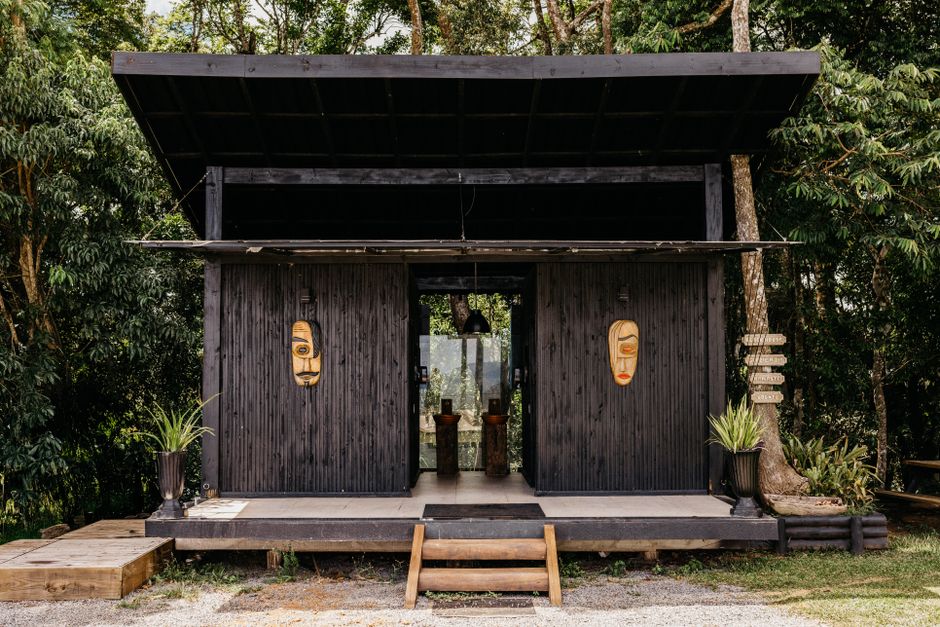
Costa Rica Eco-Lodges Under $150: 7 Boutique Stays That Actually Deliver
Costa Rica’s hotel prices jumped 22% since 2026, and most “eco-friendly” resorts now charge $300+ a night for a yoga deck and a recycling bin. That’s not sustainability. That’s a markup with a green label slapped on it. I spent three weeks in 2026 bouncing between the Pacific coast, Monteverde cloud forest, and the Caribbean side to find boutique stays that walk the talk without gutting your wallet.
Here’s what I found: seven properties under $150 that are genuinely sustainable, independently owned, and memorable enough that you’ll forget you’re on a budget.
What “Eco-Friendly” Actually Means in Costa Rica (And What It Doesn’t)
Before I name names, you need a filter. Costa Rica has a certification program called CST (Certification for Sustainable Tourism) that rates hotels from 0 to 5 leaves. A property with 4+ leaves has passed audits on water use, waste management, community hiring, and energy. A property with a photo of a leaf on its website and no CST badge? That’s just branding.
But here’s the thing — some genuinely sustainable small lodges skip CST because the certification costs money and time they’d rather spend on actual conservation. So I use a three-part test instead:
- Water and energy: Solar panels, rainwater catchment, no daily towel washing unless requested
- Local economics: Staffed by locals, food sourced from nearby farms, not owned by a foreign conglomerate
- Land stewardship: The property actively protects or restores habitat, not just mows a lawn and plants some heliconias
If a hotel passes two of three, it’s on my list. If it passes all three, it’s a standout.
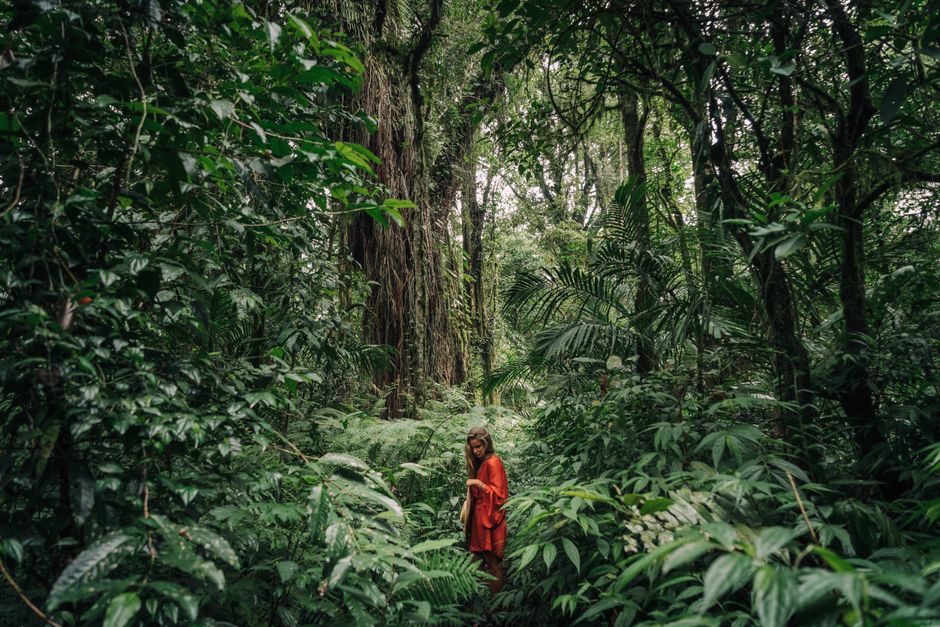
Comparison: 7 Eco-Lodges Under $150 at a Glance
| Hotel | Location | Price (2026) | Vibe | Eco Cred |
|---|---|---|---|---|
| Finca Luna Nueva Lodge | La Fortuna area | $110–135 | Rainforest farm retreat | Regenerative farm, solar, organic food |
| Cabinas El Pueblo | Monteverde | $65–85 | Family-run, no frills | Locally owned, water conservation |
| La Kukula Lodge | Puerto Viejo | $95–120 | Jungle bungalow hideaway | Off-grid solar, wildlife corridors |
| Danta Corcovado Lodge | Osa Peninsula | $120–145 | Remote rainforest immersion | Primary forest protection, community-run |
| Hotel Belmar (garden rooms) | Monteverde | $130–150 | Upscale farm-to-table | Carbon-neutral, on-site farm, CST 5 leaves |
| Pachamama Jungle River Lodge | Sarapiquí | $85–105 | Riverside family cabins | River restoration, local employment |
| Eco Villa Monteverde | Monteverde | $100–125 | Modern tiny-house aesthetic | Solar hot water, recycled materials |
Prices are for double occupancy in shoulder season (May–June or September–October). High season (December–April) adds $20–40 per night at most of these.
Finca Luna Nueva Lodge: The One I’d Book Again Tomorrow
If you only have time for one eco-lodge in Costa Rica, make it Finca Luna Nueva. It sits on a 200-acre regenerative farm about 30 minutes from La Fortuna, which means you get the Arenal Volcano views without the souvenir-shop chaos of town.
The lodge runs on solar, grows most of its own food, and ferments its own turmeric and ginger for the on-site spa. Rooms are simple but clean — think polished concrete floors, high ceilings, and screened windows that let in howler monkey calls at dawn. You won’t get a TV. You will get a guided farm tour included in your stay where the owner, Steven Farrell, explains how they’ve rebuilt soil health after decades of cattle ranching.
My room cost $118 in June 2026. Breakfast — eggs from their chickens, fruit from the orchard, coffee grown 200 meters away — was included. Dinner runs $15–20 and is worth every colón.
Verdict: Best overall value for anyone who wants a working farm experience without sacrificing comfort.
When Cheap Eco-Lodges Go Wrong
I’ve stayed in enough budget “eco” places to know the failure modes. Here’s what to watch for, because they’re more common than you’d think:
- The mosquito net theater: A lodge that hands you a net with holes in it and calls it “jungle immersion.” Check reviews for phrases like “lots of bugs in the room” and “couldn’t sleep.”
- The cold shower surprise: “Solar hot water” means nothing if the tank is undersized. Ask directly: “Is hot water available in the morning?” If they hesitate, book elsewhere.
- The greenwashed chain: A property owned by a real estate group that uses the word “eco” in its name but has no local staff and imports all its food. Look at the ownership page. If it mentions “investment portfolio,” skip it.
- The noise trap: Jungle lodges near main roads or party towns (looking at you, Tamarindo) can be louder than a city hotel. Puerto Viejo has this problem — some “jungle” cabinas are 100 meters from the main strip’s bass-heavy bars.
One more thing: always confirm the cancellation policy before booking directly. Small lodges in Costa Rica often have strict 30-day cancellation windows, and if you’re traveling during rainy season (May–November), a landslide can derail your plans fast. Buy travel insurance or book refundable rates.
La Kukula Lodge: Best for Wildlife Without Leaving Your Porch
La Kukula sits on a forested hill above Playa Chiquita, about 15 minutes south of Puerto Viejo. The owners are a Costa Rican-Italian couple who built four bungalows by hand using fallen timber and recycled materials. There’s no air conditioning. You don’t need it — the property sits at a slight elevation that catches the Caribbean breeze.
What makes La Kukula special is the wildlife corridor. They’ve planted native fruit trees that attract toucans, sloths, and three species of monkeys. I saw a two-toed sloth from my hammock on day one. The lodge is off-grid solar, and the owners run a small reforestation project on the adjacent hillside.
Rates start at $95 for a double. Breakfast is extra ($8) and worth it for the homemade bread and tropical fruit plate. The beach is a 10-minute walk, but honestly, I spent most of my time on the porch watching wildlife.
Verdict: Best for wildlife watchers who want the Caribbean coast without the Puerto Viejo party scene.
Three Tips for Booking Eco-Lodges in Costa Rica
These apply to every property on this list, and they’ll save you more than any discount code:
- Book direct, not through OTAs. Most small lodges offer 10–15% off when you book through their website or WhatsApp. They also get to keep the full amount instead of paying a 15–20% commission to Booking.com or Expedia. For a $120 room, that’s $18–24 more going to the people actually running the place.
- Ask about the water source. Costa Rica has serious water stress in the dry season (December–April). The best lodges have rainwater catchment or their own spring. If a hotel won’t answer this question, that’s a red flag.
- Travel in shoulder season. May–June and September–October are the sweet spots. You’ll get 20–40% lower rates, fewer crowds, and afternoon rain that clears by evening. The forest is also more active — frogs, insects, and birds go crazy after a downpour.
Danta Corcovado Lodge: The Most Remote Option Worth the Drive
Getting to Danta Corcovado requires a 4×4, a river crossing, and about two hours of bouncing down a dirt road from Puerto Jiménez. That’s the point. The Osa Peninsula is the most biodiverse place on Earth, and Danta puts you right at the edge of Corcovado National Park.
The lodge is community-owned and operated by locals from the nearby town of Dos Brazos. They’ve protected over 300 hectares of primary rainforest and run guided hikes into the park that employ local naturalist guides. Rooms are rustic — think screened cabins with ceiling fans and cold-water showers (the tropical heat makes this a non-issue).
At $120–145 a night including breakfast, Danta is the most expensive property on this list, but it includes something no other lodge does: direct access to trails where you can see tapirs, scarlet macaws, and all four Costa Rican monkey species in a single day.
Verdict: Best for serious wildlife enthusiasts who value access over amenities. If you want a pool and a spa, this isn’t it.
Q&A: Eco-Lodge Questions I Get All the Time
Is $150 a night realistic for a boutique eco-lodge in Costa Rica?
Yes, but only if you book in shoulder season and avoid the Guanacaste beach towns. The Papagayo Peninsula and Tamarindo area have essentially no boutique options under $200. The Caribbean coast, Sarapiquí, and the Osa Peninsula are where you’ll find the best value.
Do I need a 4×4 to reach these lodges?
For Finca Luna Nueva, Cabinas El Pueblo, and Eco Villa Monteverde, no — a regular sedan works if the roads are dry. For Danta Corcovado and most Osa Peninsula lodges, yes, absolutely. La Kukula is accessible by car, but the last 500 meters is unpaved and gets muddy.
What’s the difference between an eco-lodge and a regular boutique hotel?
An eco-lodge actively manages its environmental impact: energy, water, waste, and land use. A regular boutique hotel might have nice design and good service but no sustainability program. The line gets blurry, which is why I use the three-part test I described earlier.
That’s the list. Seven properties, all under $150, all independently owned, all doing something real for the land and the local economy. Book direct, travel in shoulder season, and skip the $400 “eco-resort” with the infinity pool and the imported marble. The real Costa Rica is out there — you just have to know where to look.

Related Posts

Road Trip National Parks Young Kids: The Family Road Trip National Parks Problem: It Only Works If You Plan Backwards
Vietnam Food Costs: What I Actually Spent Eating Outside the Tourist Menu