Bali 7-Day Itinerary: Skip the Crowds, Keep the Magic
Bali saw 6.3 million foreign arrivals in 2026. Most of them went to the same five places. This itinerary does the opposite.
I spent three weeks on the island in late 2026, testing routes for a one-week trip. What I found: the difference between a good Bali week and a bad one comes down to one decision — whether you base yourself in the south or the east.
This plan uses Ubud, Sidemen, and Amed as anchors. You get rice terraces without the selfie sticks, snorkeling without the boat traffic, and food that doesn’t taste like it came from a hotel kitchen. You also avoid the worst of the Canggu/Seminyak gridlock.
The 7-Day Route at a Glance
Here’s the full week. Copy this into your notes app. The key is the order — most people do this backwards and spend twice as much time in cars.
| Day | Base | Main Activity | Travel Time |
|---|---|---|---|
| 1 | Ubud | Arrive, settle, evening in Penestanan | 90 min from airport |
| 2 | Ubud | Campuhan Ridge walk, Tegallalang rice terraces at 7am | Local |
| 3 | Sidemen | Transfer east, valley walk, weaving village | 60 min |
| 4 | Sidemen | Gembleng Waterfall, cooking class | Local |
| 5 | Amed | Transfer to coast, Jemeluk Bay snorkel | 90 min |
| 6 | Amed | Japanese shipwreck dive/snorkel, sunset at Lahangan Sweet | Local |
| 7 | — | Return to airport via Tirta Gangga | 2.5 hours |
Total driving time for the week: roughly 5.5 hours. Compare that to a south-Bali route with day trips to Ubud and Nusa Penida — you’d spend 14+ hours in transit.
Where to Stay: Three Bases, Zero Compromises
You don’t need seven different hotels. Three bases work better. You unpack less, you learn your neighborhood, and you stop treating Bali like a checklist.
Ubud (Nights 1-2): Stay in Penestanan, Not Central Ubud
Central Ubud on Jalan Monkey Forest is a nightmare now. Traffic, touts, and souvenir shops selling the same sarong in 40 stores. Penestanan, a 15-minute walk west, feels like a different island.
Book Bisma Eight (from $180/night) if you want a proper hotel with a pool. For cheaper, Puri Garden Hotel & Hostel (from $35/night) has clean private rooms and a decent breakfast. Avoid anything on Monkey Forest Road unless you enjoy honking at 7am.
Sidemen (Nights 3-4): The Bali People Say Doesn’t Exist Anymore
It does. Sidemen is what Ubud was 20 years ago. Rice fields, small family compounds, and the kind of quiet that makes you check your phone to see if it’s broken.
Samanvaya Bali (from $120/night) sits right on the valley edge. The infinity pool faces Mount Agung. For budget, Sawah Indah Villa (from $45/night) has simple rooms overlooking rice terraces. Book ahead in July and August — Sidemen fills up fast now.
Amed (Nights 5-6): The Anti-Canggu
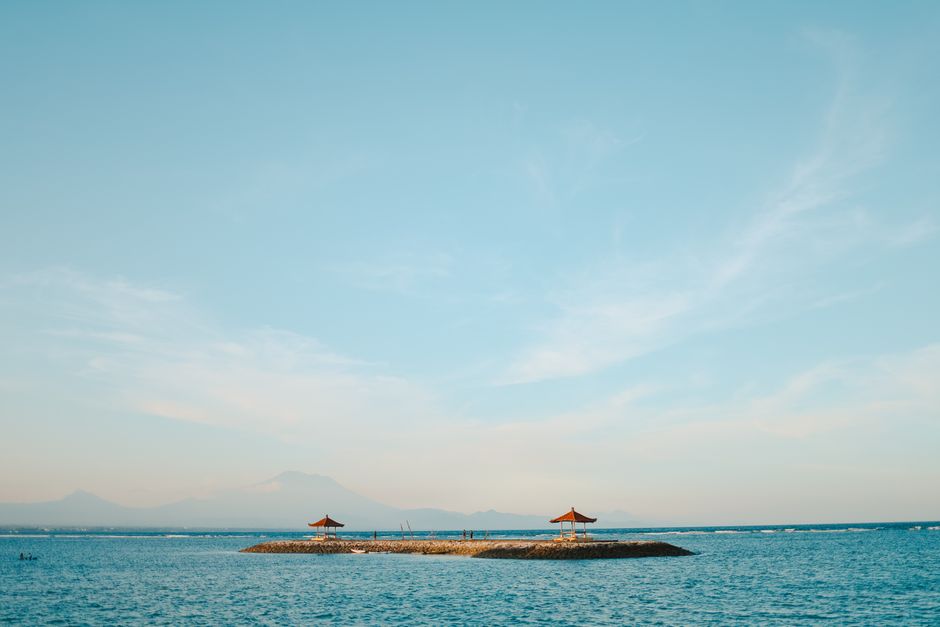
Amed is a string of fishing villages on the northeast coast. No beach clubs. No traffic lights. The attraction is under the water.
Stay in Jemeluk or Lipah. Blue Moon Villas (from $85/night) has oceanfront rooms with snorkeling 20 meters from your door. Life in Amed (from $40/night) is a solid mid-range pick. Skip the resorts near Tulamben unless you’re diving the Liberty wreck — they’re isolated and overpriced.
Day-by-Day Breakdown: What Actually Works
Day 1: Land, Breathe, Reset
Book a private driver from the airport to Ubud for 350,000 IDR (~$22) through Klook or your hotel. Don’t take a taxi from the airport queue — they’ll quote you 600,000 IDR. Eat at Warung Biah Biah in Ubud. Nasi campur for 35,000 IDR. You’re welcome.
Day 2: Beat the Crowds, Not Join Them
Start the Campuhan Ridge walk at 6:15am. You’ll share it with a few joggers. By 9am, it’s a conga line. Then get a Gojek to Tegallalang rice terraces — arrive by 7:30am. The entrance fee is 25,000 IDR, but the swing operators will try to charge you 200,000 IDR for a photo. Just walk past them.
Afternoon: skip the Monkey Forest. Instead, go to Setia Darma House of Masks (donation-based). It’s a museum of 1,300 masks from across Indonesia. You’ll have it to yourself.
Day 3: Move to Sidemen, Slowly
The drive from Ubud to Sidemen takes an hour if you leave before 10am. Stop at Tukad Cepung Waterfall on the way — go before 9am for the light beams. Entry is 20,000 IDR. In Sidemen, do the valley walk from the village center to the Undisan weaving cooperative. Watch women weave songket fabric the same way their grandmothers did. Buy a scarf for 150,000 IDR. It funds the cooperative, not a middleman.
Day 4: Waterfall and Fire
Gembleng Waterfall is the most underrated spot in East Bali. It’s a series of natural pools stacked down a hillside. Entry is 15,000 IDR. Go at 8am. By 11am, tour buses arrive. In the afternoon, take a cooking class at Jambul Bali Cooking Class (350,000 IDR per person). You’ll make sate lilit, lawar, and a proper Balinese sambal. You’ll also learn why most restaurant versions taste bland — they cook for tourists, not for Balinese palates.
Day 5: The Coast You Didn’t Know Bali Had
Transfer to Amed. The road winds through coffee and clove plantations. Stop at Tirta Gangga Water Palace (50,000 IDR) if you leave Sidemen by 9am. It’s a royal bathing complex built in 1948. The koi ponds are the photo everyone takes — but the real interest is the water engineering. The pools are fed by a spring that has never run dry.
In Amed, snorkel Jemeluk Bay. Rent gear from Eco Dive Amed for 50,000 IDR per day. The coral starts 10 meters from shore. You’ll see reef fish, occasional turtles, and no crowds. The sun sets behind Mount Agung. It’s the best free show on the island.
Day 6: Shipwreck and Sunset
The Japanese shipwreck at Banyuning is 30 meters offshore. You can snorkel it. The wreck sits in 5-12 meters of water, covered in soft coral and home to schools of fusiliers. Go at 8am before the day-trip boats from Tulamben arrive.
For sunset, drive or ride to Lahangan Sweet viewpoint. It’s a 20-minute scooter ride from Amed. Entry is 30,000 IDR. The view takes in Mount Agung, the coast, and the entire bay. There will be maybe 10 other people there. Compare that to Uluwatu’s sunset cliff, where you’ll fight 500 people for a railing spot.
Day 7: The Long Way Home
Leave Amed by 10am. The drive to the airport takes 2.5 hours. If you have a late flight, stop at Taman Ujung Water Palace (50,000 IDR) near Amlapura. It’s another royal water garden, but different from Tirta Gangga — more open, fewer tourists. Then continue to the airport. Arrive 3 hours before departure. The new terminal is efficient, but security lines get long after 4pm.
Tourist Traps to Skip (And What to Do Instead)
Bali has more tourist traps per square kilometer than any place I’ve visited. Here are the five worst offenders and their replacements.
- Skip: Bali Swing. 500,000 IDR for a 2-minute swing with a harness. Do instead: The swings in Sidemen (100,000 IDR) or just enjoy the view from a free ridge.
- Skip: Nusa Penida day trip. 5 hours of boats and cars for 20 minutes at Kelingking Beach. Do instead: Amed’s snorkeling. You see more marine life in one hour than in the entire Penida day trip.
- Skip: Ubud Monkey Forest. It’s a zoo with aggressive macaques that steal sunglasses. Do instead: Campuhan Ridge at dawn, or the Masks museum.
- Skip: Kuta Beach. Crowded, dirty, and full of drunk tourists. Do instead: Jemeluk Bay in Amed. Clear water, black sand, no touts.
- Skip: Coffee plantation “tours.” They’re sales pitches for overpriced luwak coffee. The civets are kept in cages. Do instead: Buy single-origin Balinese coffee from Seniman Coffee Studio in Ubud (from 40,000 IDR per cup).
Getting Around: Gojek, Drivers, and the Scooter Question
Gojek and Grab work in Ubud and south Bali. They do NOT work in Sidemen or Amed. Plan accordingly.
For transfers between bases, hire a private driver. The going rate is 400,000-500,000 IDR ($25-32) for a half-day transfer with stops. Book through your hotel or a local driver you meet on day one. Avoid booking through random online forms — they take a 30% cut.
Renting a scooter costs 70,000-100,000 IDR per day. In Sidemen and Amed, it’s the best way to get around. The roads are quiet. In Ubud, skip the scooter — traffic is bad and parking is worse. Walk or use Gojek.
If you’ve never ridden a scooter, don’t learn in Bali. The roads are chaotic, and hospitals are far. Hire a driver for the day instead. It costs more, but so does a skin graft.
Budget Reality: What a Week Actually Costs

Bali is not as cheap as it was in 2019. Prices have risen 30-40% since then. Here’s a realistic budget for one person for 7 days, excluding international flights.
| Category | Budget Option | Mid-Range Option |
|---|---|---|
| Accommodation (6 nights) | 1,800,000 IDR ($115) | 4,800,000 IDR ($300) |
| Food (3 meals/day) | 1,050,000 IDR ($67) | 2,400,000 IDR ($153) |
| Transport (transfers + local) | 900,000 IDR ($57) | 1,500,000 IDR ($95) |
| Activities (entries, snorkel gear, cooking class) | 600,000 IDR ($38) | 1,200,000 IDR ($76) |
| Total | 4,350,000 IDR ($277) | 9,900,000 IDR ($624) |
The budget option means eating at warungs, staying in guesthouses, and sharing transfers. The mid-range option means proper hotels, a few restaurant meals, and private drivers. Both are realistic. The trap is thinking you need $100/day — you don’t, unless you’re drinking cocktails in Canggu.
What I’d Do Differently Next Time
I’d skip Ubud entirely and go straight to Sidemen. Ubud has good food and a few worthwhile sights, but it’s become a traffic jam with yoga studios. Sidemen offers the same cultural experience with 10% of the people.
I’d also add two days to Amed. The snorkeling is world-class, the food is honest, and the pace is slow in the right way. If you scuba dive, the Liberty wreck at Tulamben is a must — book with Adventure Divers Bali (from 900,000 IDR for two dives).
And I’d bring reef-safe sunscreen. Many shops in Bali still sell oxybenzone-based brands that kill coral. Buy Stream2Sea SPF 30 or Raw Elements SPF 30 before you fly. They’re hard to find on the island.
One more thing: the visa. As of 2026, most nationalities can enter Bali visa-free for 30 days, but the rules changed twice in 2026. Check the Indonesian immigration website two weeks before you fly. Don’t trust random blog posts from 2026.
This route works because it respects the island’s geography. You move east as the week progresses, you never backtrack, and you spend more time in places than in transit. That’s the whole secret. Everything else is just noise.

Related Posts

Airbnb Vs Booking.Com Long-Term Stays: Why Airbnb Monthly Stays Fail Most Digital Nomads (And What to Book Instead)

Pet-Friendly Vacation Rentals Major Us Cities: Pet-Friendly Vacation Rentals: The Fee Trap in Major US Cities