10 Very Best Places For A Staycation In Britain
Last year, 63% of Brits took a domestic holiday instead of flying abroad — that’s nearly 40 million people all trying to squeeze into the same 20 square miles of the Lake District. I saw it myself. Queues for a selfie at Castlerigg Stone Circle. A two-hour wait for a pasty in Keswick. That’s not a holiday, that’s a endurance test.
I’ve spent the last eight years driving, hiking, and sleeping in every corner of this island. I’ve stayed in £30-a-night bothies and £300-a-night converted barns. I know which spots are genuinely worth your time and which ones are just Instagram backdrops with a car park fee.
Here are the 10 places that actually deliver on peace, value, and character — and the mistakes most people make when picking one.
1. What To Look For In A Staycation Spot (And What To Avoid)
Most people pick a staycation based on a photo of a thatched cottage or a headline about “Britain’s best beach.” That’s how you end up in a B&B next to a main road with a view of a caravan park.
First principle: a staycation should solve the problem of resetting your brain without the hassle of airports. If the journey takes longer than the time you actually feel relaxed, it’s failed.
The Three Filters I Use
Crowd density. Check Google Maps “Popular Times” data for the week you plan to go. If the local car park is at 80% capacity by 10am, pick somewhere else. The Lake District hits 90%+ on school holidays. The Yorkshire Dales hits 40%.
Rainfall averages. The west coast of Scotland gets 200+ days of rain per year. The Norfolk Broads get 150. That’s a massive difference if you’re planning outdoor activities. I always check Met Office regional averages before booking.
Accommodation type match. Don’t book a glamping pod if you hate cold mornings. Don’t book a city-centre hotel if you want silence at 10pm. Sounds obvious, but I’ve met dozens of people who booked a “romantic shepherd’s hut” and spent the week freezing and walking to a shared toilet block.
Common mistake: assuming “staycation” means “cheap.” It doesn’t. A week in a decent Cornish cottage in August costs £1,500+ — often more than a week in Spain including flights. The value isn’t the price tag, it’s the lack of travel stress and the ability to bring your dog, your bike, or your entire family without baggage fees.
2. The 10 Best Places — Ranked By Peace, Value, And Character
I’ve rated each location out of 10 for three things that actually matter: how quiet it is (Peace), how much you get for your money (Value), and how distinct the experience feels versus just being “in the countryside” (Character).
| Location | Peace (1-10) | Value (1-10) | Character (1-10) | Best For |
|---|---|---|---|---|
| Northumberland Coast | 9 | 9 | 8 | Walking, castles, empty beaches |
| Pembrokeshire Coast | 8 | 8 | 9 | Coastal path, coasteering, quiet coves |
| Yorkshire Dales | 8 | 8 | 7 | Hiking, pubs, limestone scenery |
| Norfolk Broads | 7 | 9 | 8 | Boating, birdwatching, flat cycling |
| Isle of Skye | 6 | 5 | 10 | Dramatic landscapes, photography |
| Snowdonia | 5 | 7 | 9 | Mountain hiking, adventure sports |
| Cotswolds | 4 | 4 | 7 | Pretty villages, cream teas, short breaks |
| Cornwall (north coast) | 3 | 5 | 9 | Surfing, seafood, dramatic coast |
| Lake District | 2 | 4 | 9 | Iconic scenery, fell walking (off-peak only) |
| Scottish Highlands (Cairngorms) | 9 | 7 | 10 | Wilderness, wildlife, solitude |
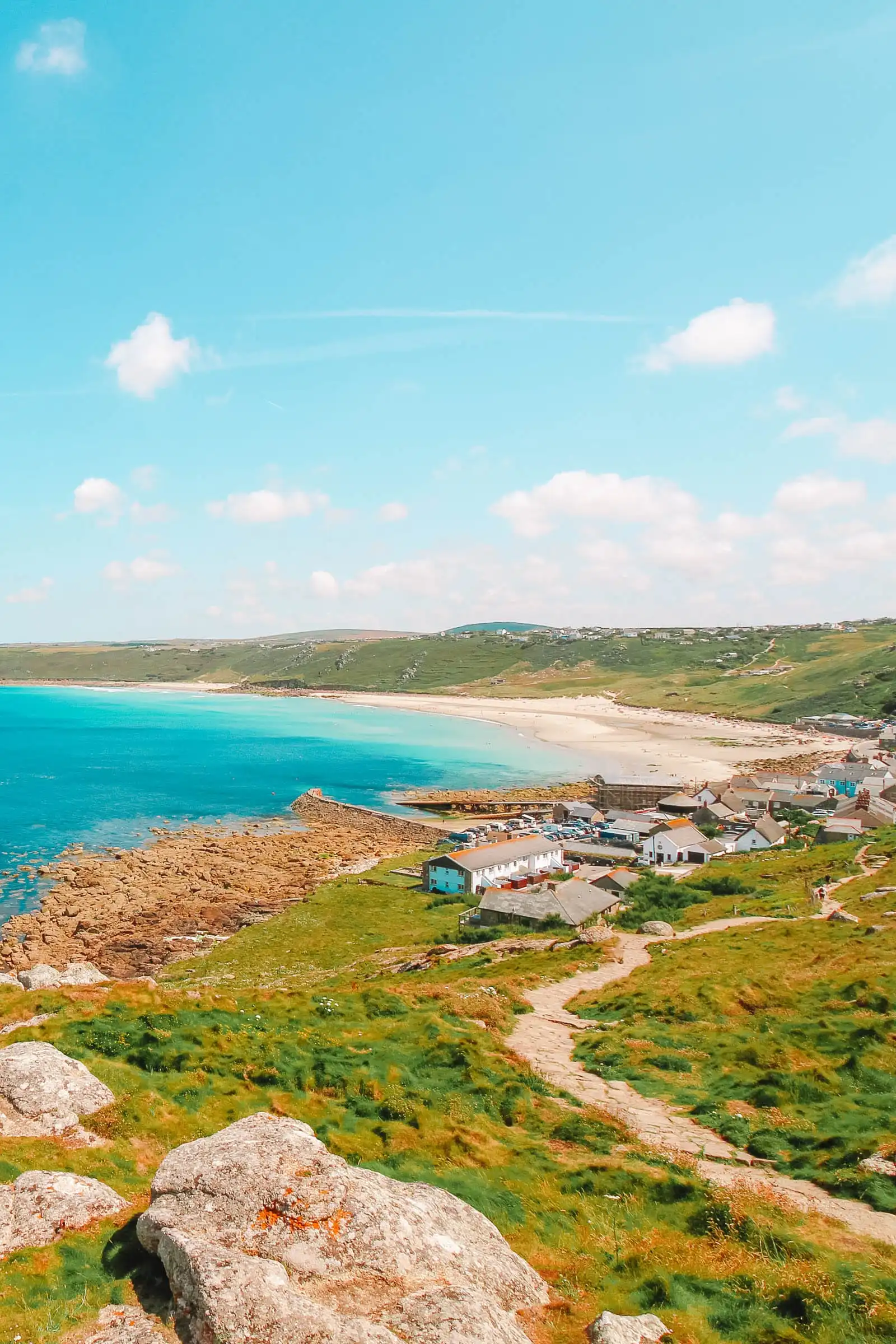
My pick for most people: the Northumberland Coast. It’s quieter than Cornwall, cheaper than the Cotswolds, and the beaches at Bamburgh and Embleton Bay rival anything in the Caribbean when the sun’s out. The only downside is the weather — but that’s Britain everywhere.
3. When NOT To Go To These Places
Here’s the honest truth most travel blogs won’t tell you: timing matters more than location. I’ve been to the Lake District in November and had entire fell tops to myself. I’ve been to the Norfolk Broads in August and spent two hours queuing for a bridge lift.
If you only have school holidays available, skip the Lake District, Cornwall, and the Isle of Skye entirely. The crowds will ruin the experience. Instead, go to the Yorkshire Dales or Pembrokeshire — they’re busy but not suffocating.
If you can go off-peak (May, September, early October), the Lake District and Cornwall become genuinely magical. I stayed in a cottage near Coniston in early October last year. £80 a night, empty paths, and the autumn colours were incredible.
Another failure mode: booking accommodation that’s too far from the actual attractions. A “cottage in the Cotswolds” might be a 30-minute drive from the nearest decent walk. Check the map. Look at the OS grid reference. If it’s on a B-road with no footpath access, you’ll spend your holiday in the car.
4. The Best Staycation For Each Type Of Person
Not everyone wants the same thing. Here’s my direct, no-waffle breakdown.
For families with young kids: the Norfolk Broads. Flat terrain, easy cycling, no dangerous cliffs, and you can hire a day boat for £80 and let the kids steer. The water is calm and shallow. We did it with a three-year-old and a five-year-old — zero stress.
For couples wanting romance: the Northumberland Coast. Stay in a pub with rooms in Seahouses or Warkworth. Walk to a castle at sunset. Eat fish and chips on a beach with maybe three other people. The Lord Crewe Hotel in Bamburgh does a decent room from £120 a night and the view of the castle is genuinely breathtaking.
For solo travellers wanting solitude: the Cairngorms National Park. Stay in a bothy (free, basic, incredible) or a bunkhouse in Aviemore. Hike the Lairig Ghru trail — it’s 30 miles of wilderness and you might see one other person. Bring good gear and a map. This is not for beginners.
For adventure seekers: Snowdonia. Climb Snowdon via the Crib Goch ridge (not for the faint-hearted, but the best route), go coasteering in Pembrokeshire, or mountain bike at Coed y Brenin. Book accommodation in Betws-y-Coed or Dolgellau to avoid the worst of the crowds.
For people who hate driving: the Cotswolds. It’s close to London and Birmingham, the train to Moreton-in-Marsh takes 90 minutes from Paddington, and you can walk between villages. But you’ll pay for the convenience. Expect £150+ a night for a decent room.
5. How To Actually Save Money On A British Staycation
Staycations aren’t automatically cheaper than going abroad. I’ve spent £2,000 on a week in Cornwall and £400 on a week in Spain. The difference is how you book.
Self-catering is almost always cheaper than hotels — if you cook. A cottage for four at £700 a week works out at £25 per person per night. But if you eat out every meal, you’ll blow the budget. I always plan three dinners from the local farm shop and two pub meals.
Book direct with the owner. Airbnb and Booking.com take 15-20% commission. I find the property on those sites, then Google the name to find the owner’s direct booking page. Saved £120 on a week in Pembrokeshire last year.
Go mid-week. Monday to Friday is often 40% cheaper than Friday to Monday. If you can work remotely, do it. I spent a week in a cottage in the Yorkshire Dales for £350 — Monday to Friday, late September. The Wi-Fi was fine, the walks were empty.
Pack your own food for day trips. A pasty and a coffee at a tourist attraction costs £12. A flask of tea and a sandwich from the cottage costs £2. Over a week, that’s £70 saved.
6. The Alternative Angle: When A Staycation Is A Bad Idea
I’m going to say something that might annoy the tourism boards: a staycation isn’t always the right choice.
If your main goal is guaranteed sun, warm sea, and reliable evening temperatures above 18°C, do not go to Britain in July or August. You might get lucky. You might also get a week of 14°C and sideways rain. I’ve had both. The risk is real.
If you’re looking for nightlife, clubs, or late-night restaurants outside London, you’ll be disappointed. Most rural pubs stop serving food at 8pm. The last bus is often 6pm. If that sounds miserable, book a city break in Edinburgh or Bath instead.
If you have limited mobility, many of the best staycation spots are inaccessible. The Isle of Skye’s best viewpoints require a 2-mile hike. The Lake District’s best walks involve steep ascents. The Norfolk Broads are flat and accessible — that’s actually a strength.
When a staycation IS the best choice: you have a dog, you hate airports, you want to bring your own car with all your gear, you want total flexibility, or you genuinely love the British countryside in all its weather. If that’s you, then Britain is one of the best places on earth for a holiday.
7. The Only Rule That Matters
I’ve learned this the hard way after eight years and probably 50,000 miles of driving: the best staycation in Britain is the one where you accept the weather, plan for the crowds you can’t avoid, and pick a place that matches your actual personality — not the one you think you should want.
Don’t book the Lake District because everyone says it’s beautiful. Book the Northumberland Coast because you want empty beaches and ruined castles. Book Pembrokeshire because you want to scramble along cliffs and eat crab sandwiches on a quiet rock. Book the Norfolk Broads because you want to move at 4mph and watch herons.
The single most important takeaway: the best place for a staycation in Britain is the one that’s 30 minutes from a good walk, 10 minutes from a decent pub, and far enough from the nearest car park that you can’t hear the engine idling.